National Service Scheme, IIT Bombay is the most active and perseverant organization in the campus in the field of social/community service. It was established to involve students in community service and let their personality develop through it. Through various activities NSS IITB reached new heights in the academic year 2016-17, with 340 freshmen volunteers enrolling in NSS, and more than 100 non-freshmen volunteers participating in the activities. The reach of the activities also expanded enormously creating the impact.
Though NSS IIT Bombay is a part of curriculum of first year students as directed by the Ministry of Youth Affairs Sports, Government of India, its impact can be felt in all parts of the nation and beyond. This year, for the first time, we were able to spread smiles among the Syrian, Iraqi and Yazidi kids in UN refugee camps through collaboration with Letters of Love. We started working on the innovations of grassroot level innovators and presented our work at Rashtrapati Bhavan during festival of innovation. We have reached the students of remote places of India including naxal affected areas, who use our educa- tional videos for studying in regional languages. We also reached to the school children across the states of india through The Artistic impact- a pan India competition thereby introducing these young minds to NSS as a platform for social service. We connected to people of all age groups for creating a community to promote gardening and nature lovers interests.
We increased our reach inside Mumbai as well by reaching to NGOs and schools by demonstrating various sustainable ways of living. Collected cloth, on donation to the underprivileged people on the outskirts of the city, helped us spread the smiles. Thus, composed of five departments working towards creating better life, Educational Outreach, Events, Green Campus, National Innovational Club and Vikas, the activities of NSS IIT Bombay are varied and cover almost all aspects of social service. Educating underprivileged students irrespective of language and distance barriers, maintaining the biodiversity of the campus and reestablishing the bond between young generation and nature, working towards environmental sustain- ability, improving the life of campus residents, reaching out to the construction workers in the campus and identifying their problems and working on them, giving support to the grassroot innovators to enable them to compete with the modern technologies and bring light upon their innovations are some of the major activities undertaken by NSS IITB.
Spreading happiness through community service has been one of the primary objectives of NSS. With innovative activities across the departments catering to all classes of the campus residents, we try to cre- ate small, happy and memorable moments in their lives. And working in NSS itself has been one of the prime sources of happiness for the people associated with us. Bringing to light the stories of the different campus residents who are responsible for its smooth functioning and also the stories of our volunteers has also been a major and a very popular activity undertaken by NSS, IITB.
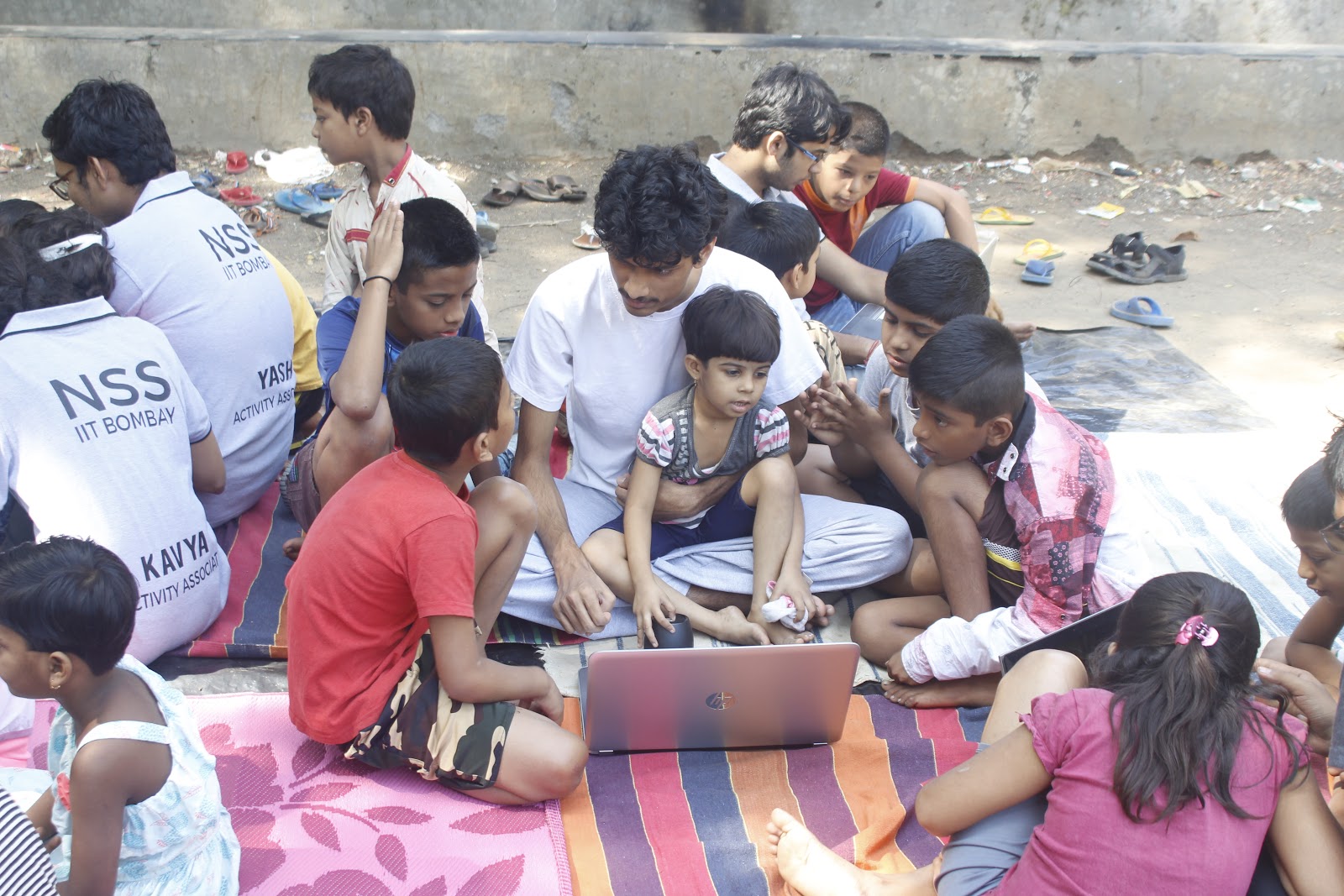
Educational Outreach is the department of NSS, IITB that strives to ensure that every child receives the formal education she or he is entitled to. We at Educational Outreach believe that lack of education is one of the biggest root cause of all existing problems in the society. Also, acknowledging the fact that formal education is not enough for the all-round development of a child, initiatives like Muskaan and Prayog were started to train the students in extra-curricular activities and to develop their scientific temperament respectively. Also, this department has national outreach due to its YouTube channel, Open Learning Initiative. Voice for Purpose is another online initiative wherein books, travel diaries and current affairs news are recorded as audio books for the blind students. With a new initiative - Neem Schools for this year, which focuses on value education as the most important aspect of education, this department is constantly trying to make overall learning more fun, interesting and enriching. From the mess workers of the institute to the children of remote parts of India, the beneficiaries of this department are varied and large in number.
OLI is a You Tube channel that was launched by NSS, IITB to ensure that language does not become a barrier in education. With educational videos recorded by our volunteers (mostly UG students in their first, second or third years) in regional languages, we aim to make the Internet equally useful for students who don’t study in English medium schools. Currently, the channel contains 250+ educational videos on Science and Mathematics in eight Indian languages, namely, Hindi, Marathi, Gujarati, Bengali, Odia, Malayalam, Tamil, and Telugu. There is also a course on English to benefit the students and a section on scientific experiments, wherein interesting and informative experiments are demonstrated to enhance the interest of the students in science and to promote scientific temperament and another section on fun facts and interesting concepts(Edutainment).
Link:http://youtube.com/c/OLINSSIITB
Ideation:The idea of launching this YouTube channel was born out of a discussion with a nearby NGO, Vidya. They were on the lookout for educational videos in Hindi and Marathi. They had AV facilities and hence they could have shown those videos to students in the absence of teachers. However, thorough search on the internet did not produce satisfactory results and most of the good videos were in English. That's when we thought of starting our own YouTube channel.
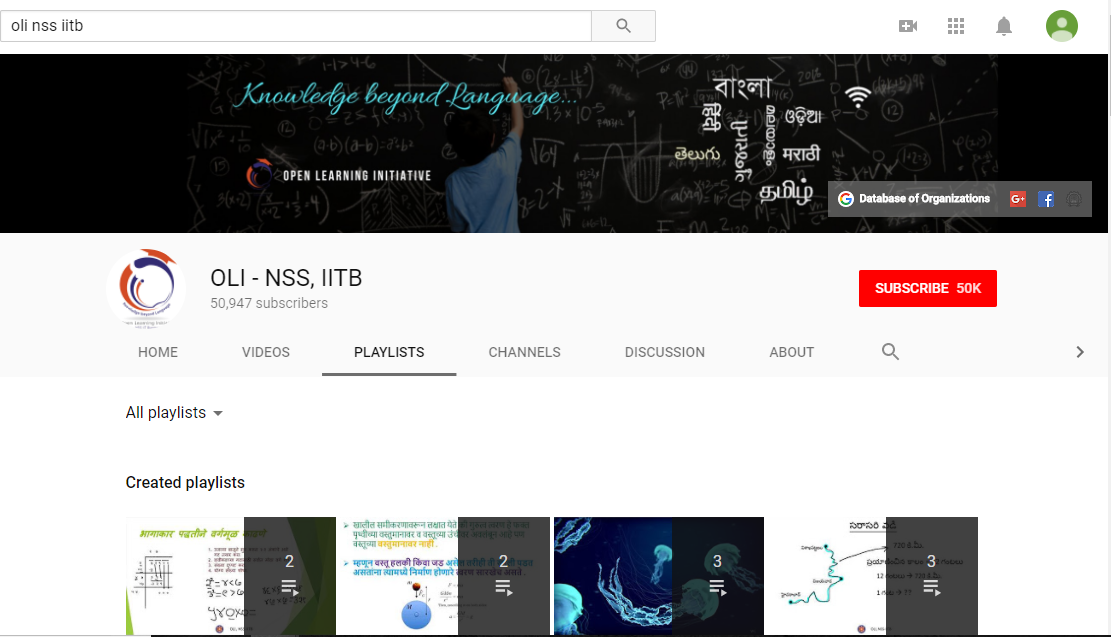
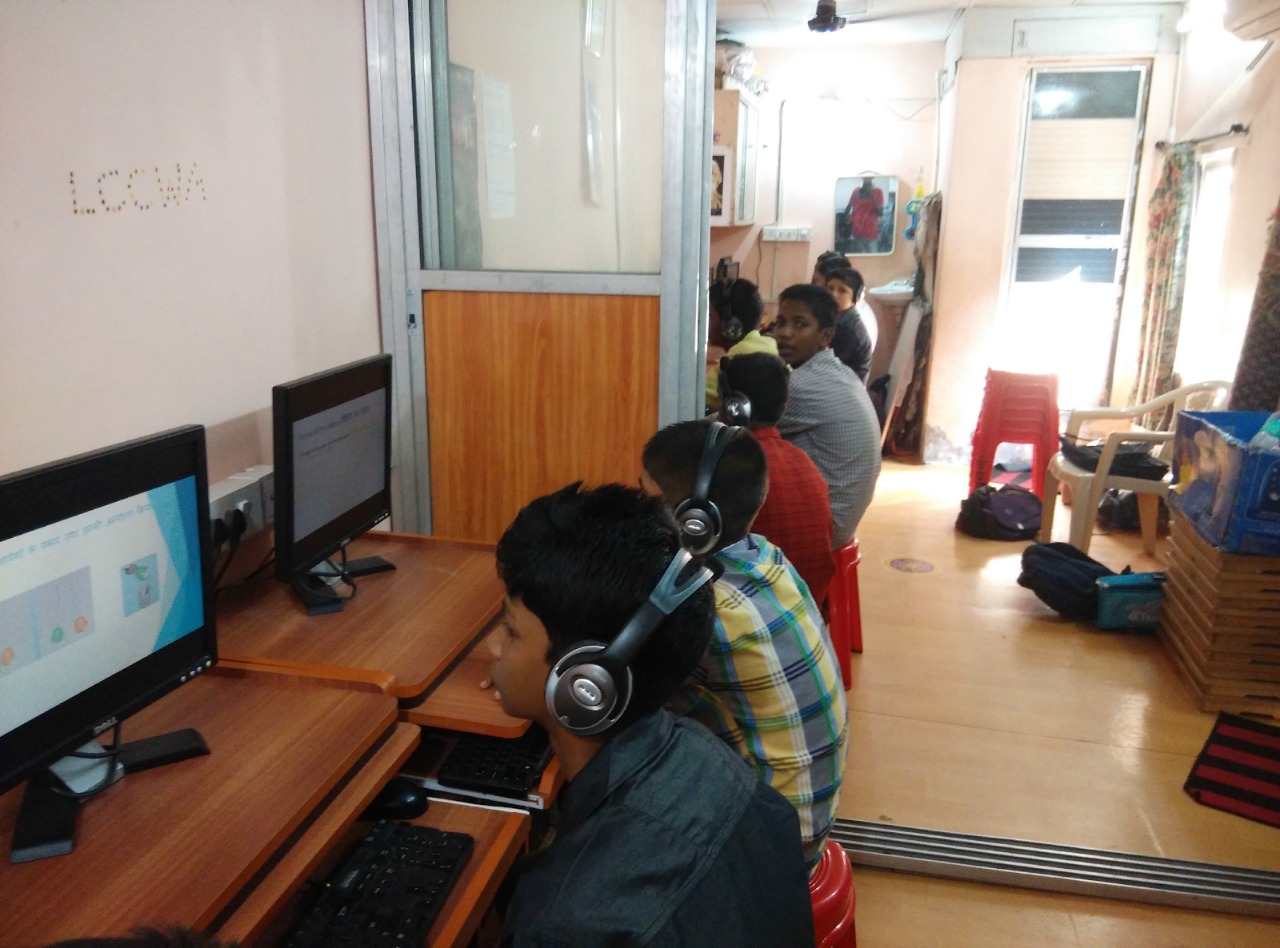
The growth of OLI has been exponential in the last year. Starting from 300 subscribers, OLI has grown to about 50k subscribers and 4.2 million+ views. Many NGOs in Powai like Vidya, Asha, Logic Center and Community Welfare Association (LCCWA) etc. are using our videos for teaching their students. LCCWA has regular OLI sessions for students on Tuesdays and Thursdays. Many people from other parts of the nation have also been availing our resources.This is what Diwakaran sir from LCCWA had to say about OLI:
OLI is a fantastic tool for learning Math specially for 8th std students. As it is in Hindi language and is for the vernacular medium, it is very easy for them to understand the concepts
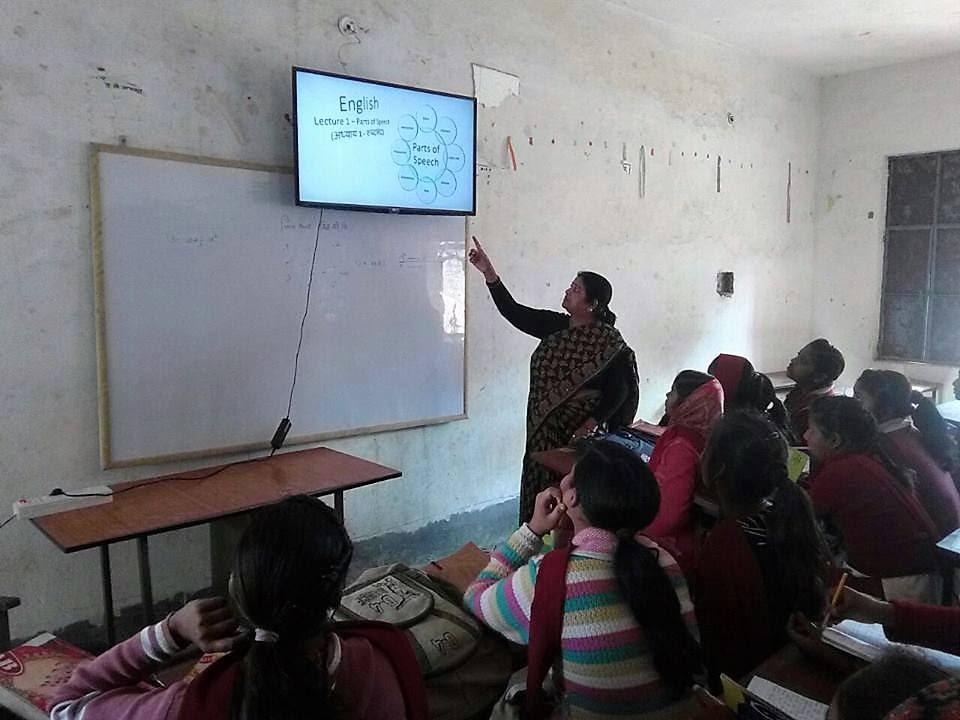
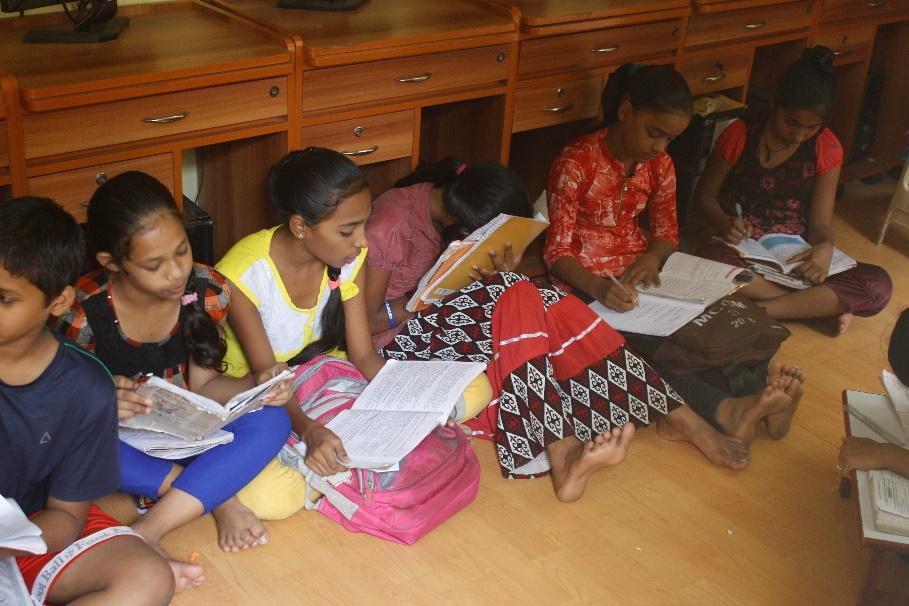
About: Teaching can be considered as the foundation stone of Educational Outreach. Our volunteers visit various NGOs in and around the campus to teach the students enrolled there.
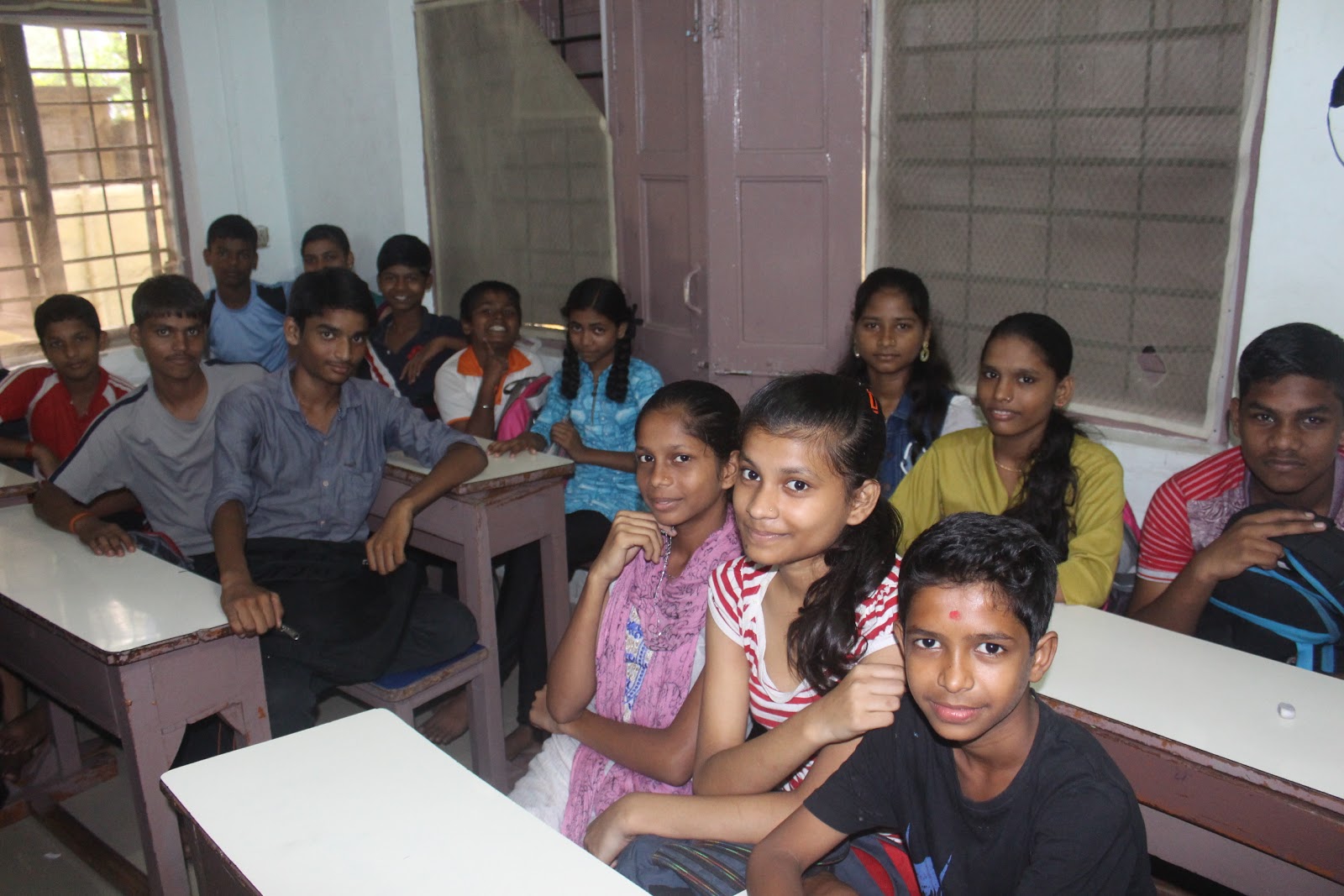
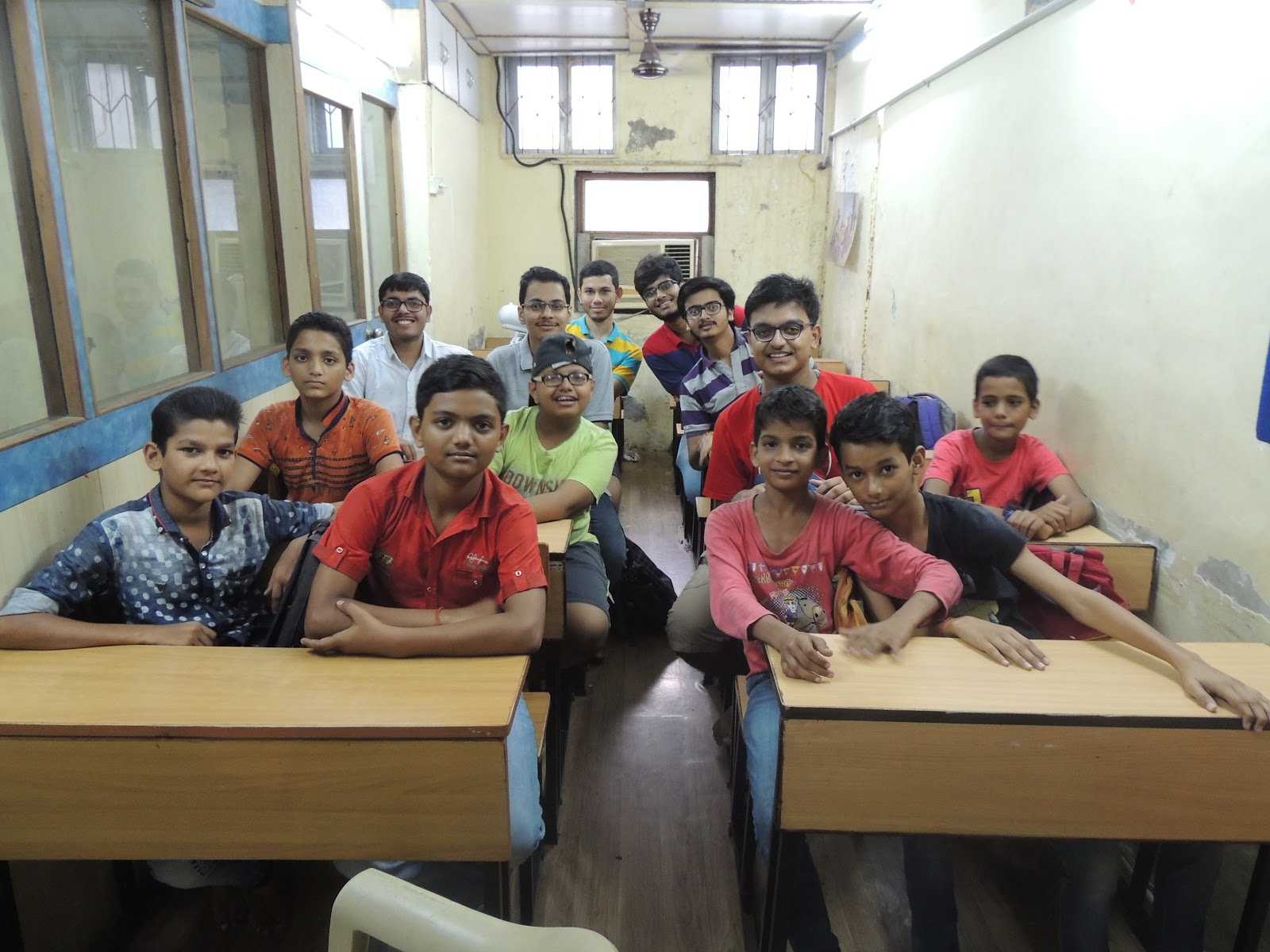
Outreach: The NGOs currently involved with us are Vidya (having 5 centers), Asha, Logic Center and Community Welfare Association (LCCWA) and Computer Literacy Program (CLP) with 8 centers in all. A total of more than 70 volunteers taught more than 300 students in these centers. A continuous assessment program was carried out in NGOs by the implementation of log books to keep a record of every student’s academic growth. The teaching program was carried out in summer and winter vacations also with the aid of non-freshmen volunteers. 2 NGOs were functional with 20+ volunteers teaching a variety of subjects.
The way forward: We plan to extend our volunteering to more NGOs in near future (distance of the NGO from the campus is a major constraint in this direction). Strengthening the ties between NGOs and NSS will also be focused on by helping out the NGOs with planning their summer camps and youth fests successfully.
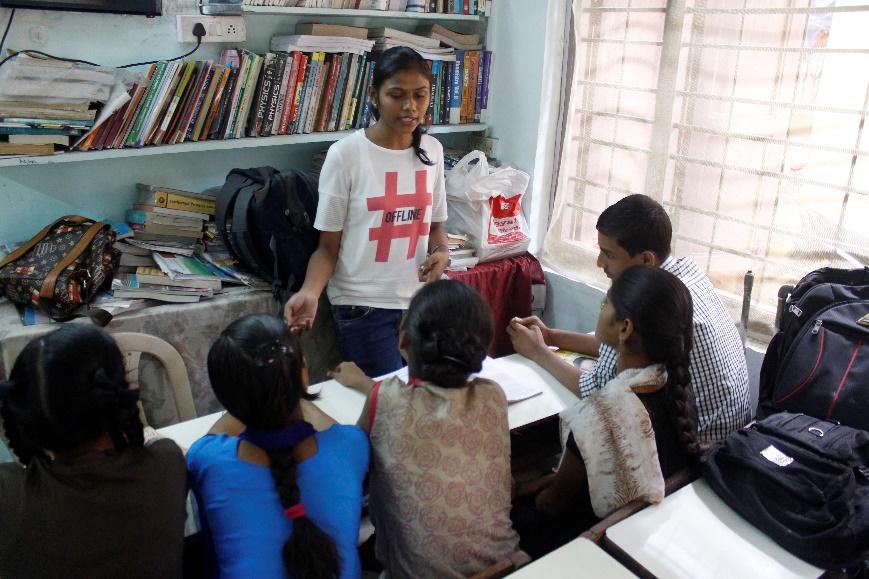
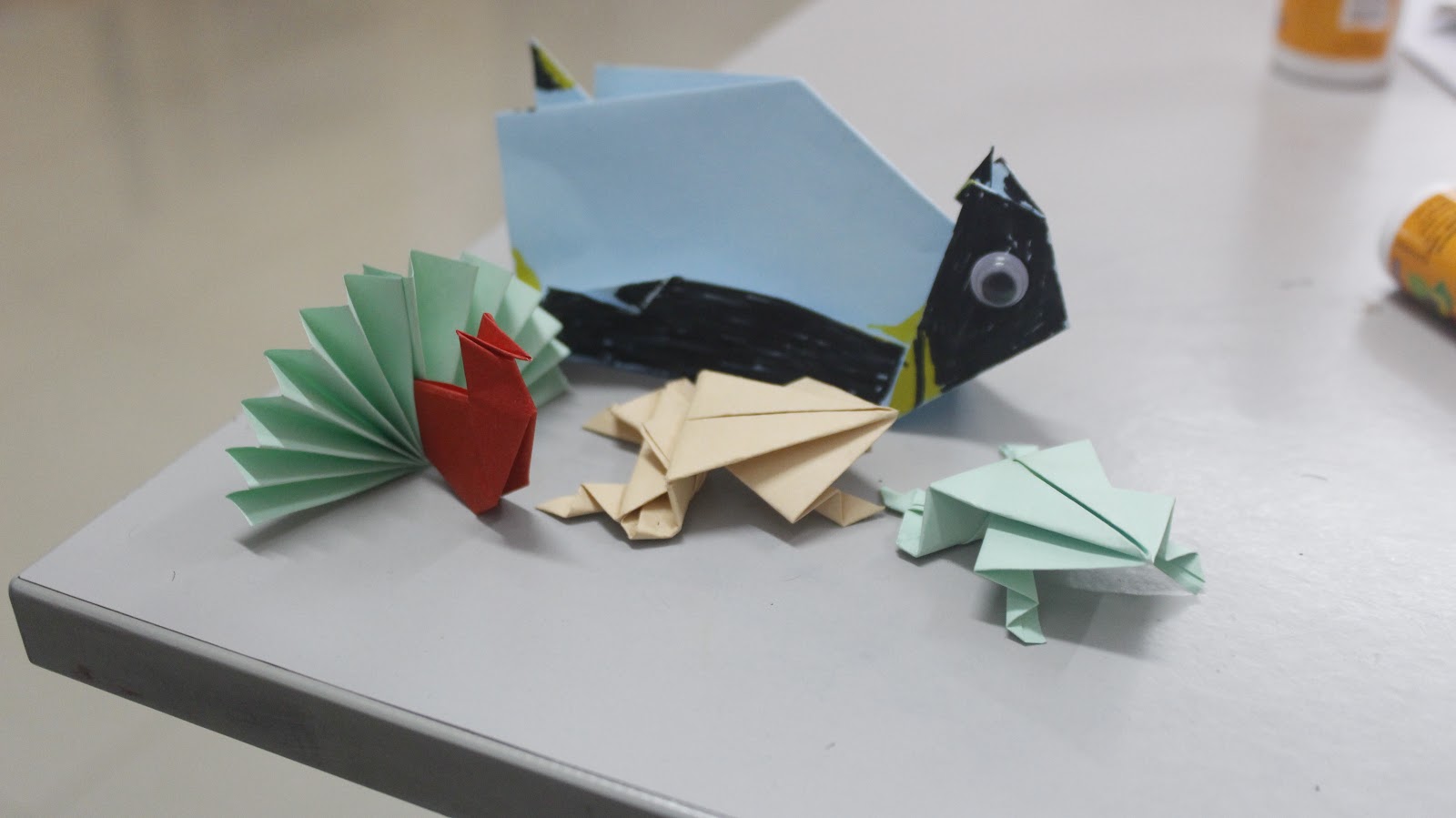
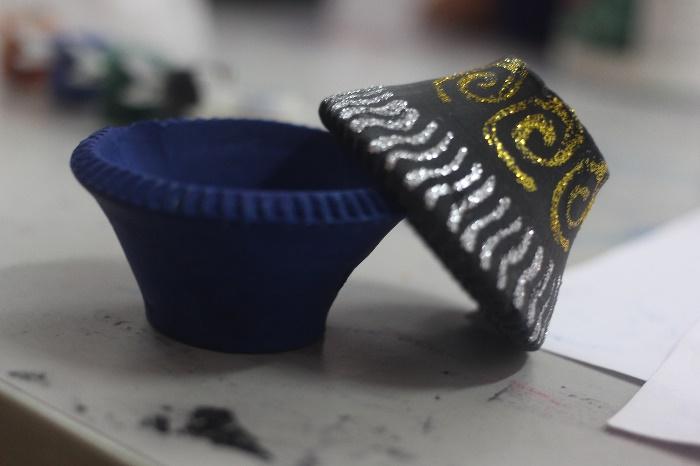
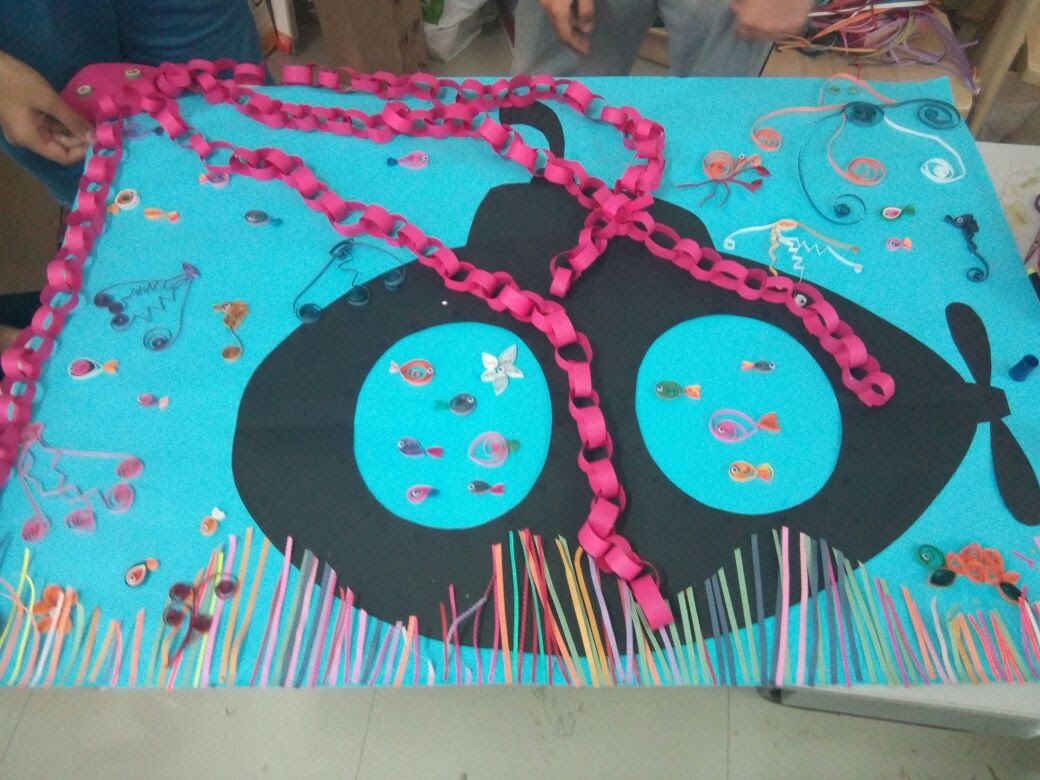
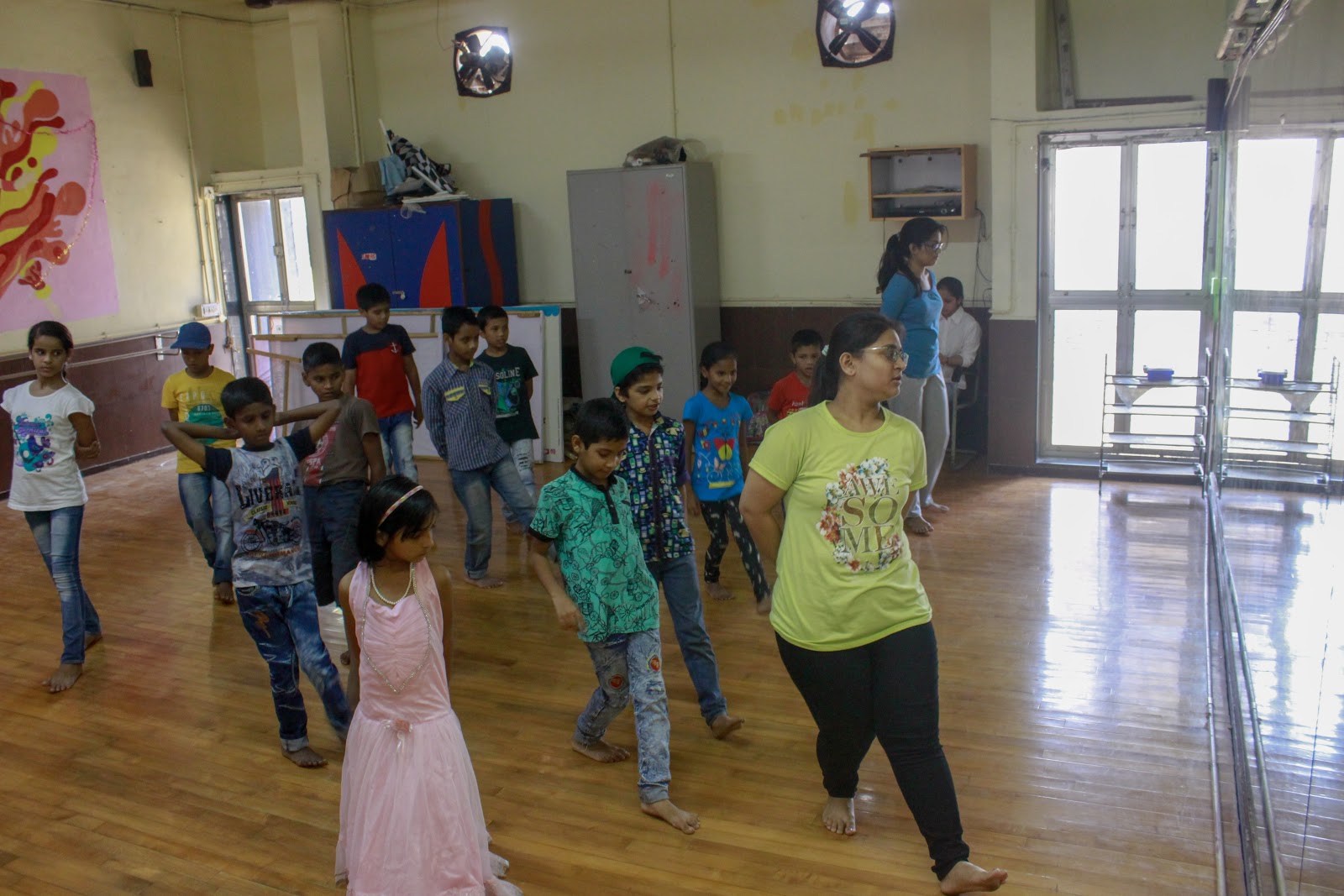
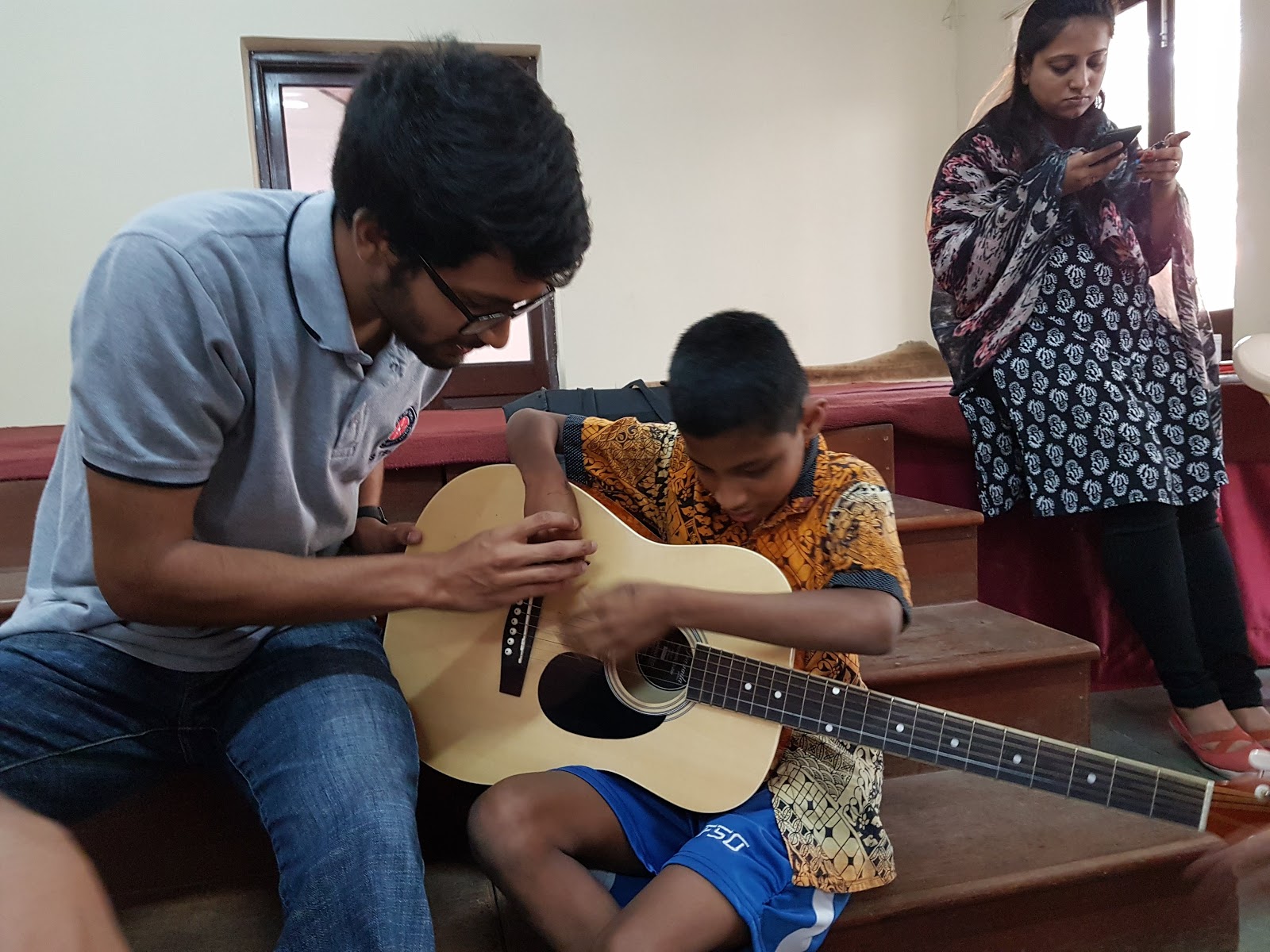
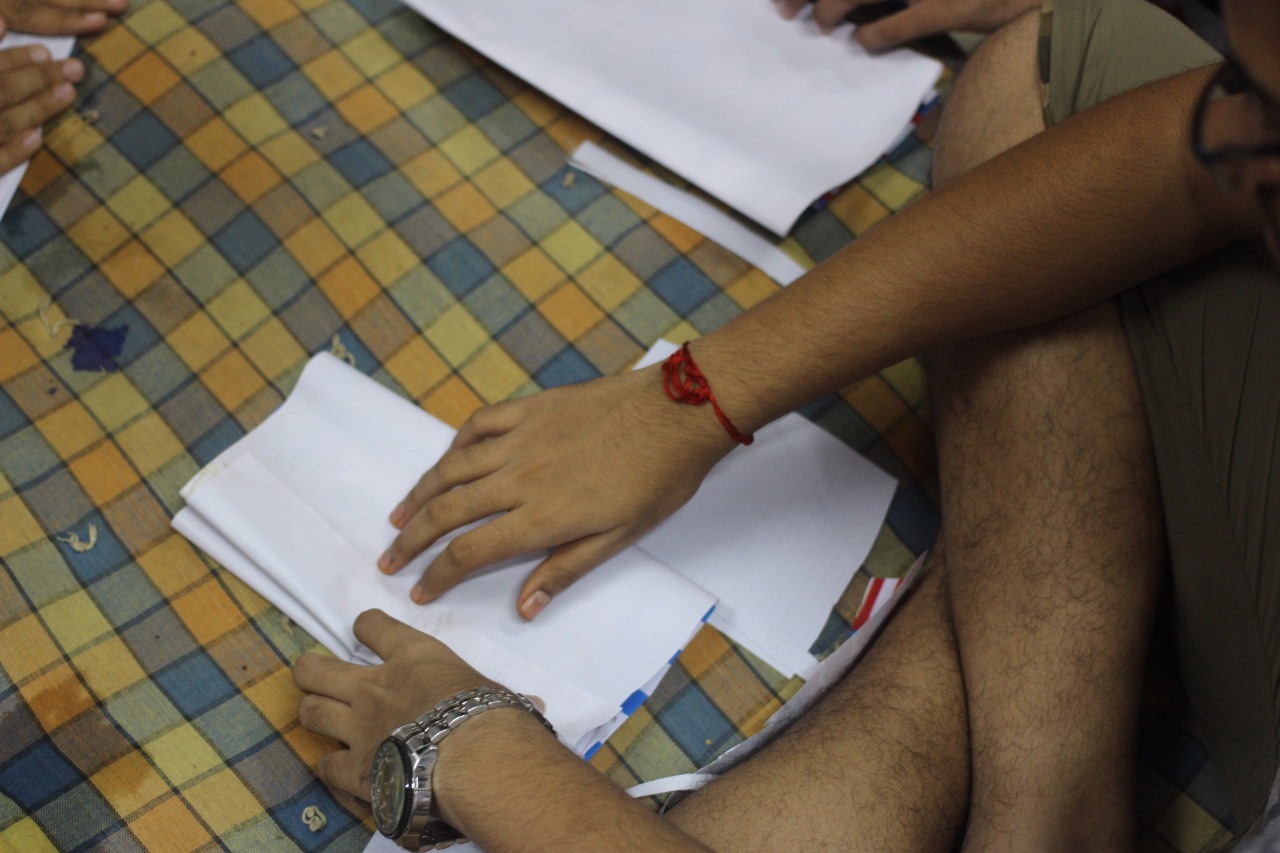
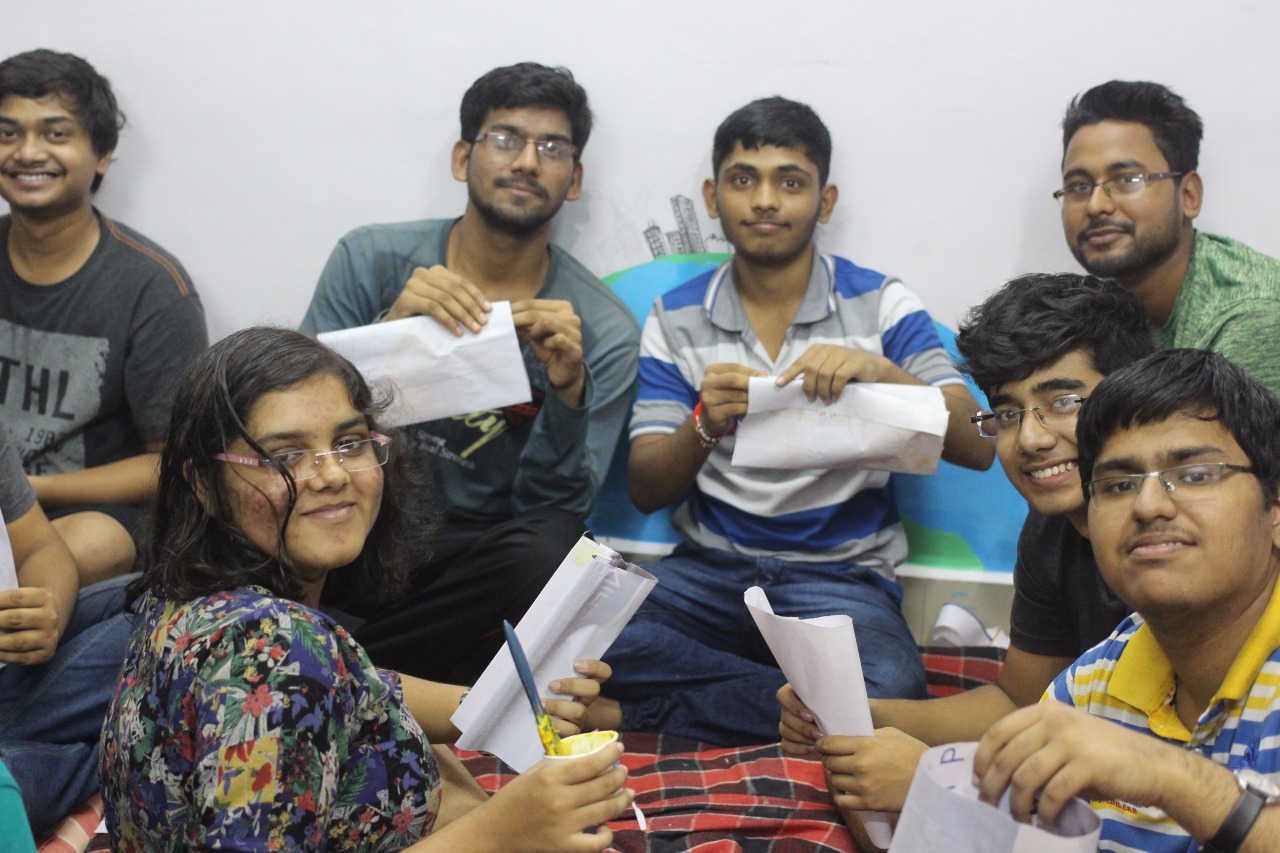
About: Muskaan was started with the aim of training children in cultural activities like dance and fine arts thus, contributing towards their all-round development. This year we incorporated a well-defined curriculum in all genres to ensure a robust learning experience. Quilling, origami, cotton-painting and blow-painting were some of the fine arts activities while bolly-hop and hip-hop were the major dance forms taught in the last year. Their efforts were showcased through a dance performance for All NSS Meet and through a fine arts submission for Kaladarshan 2018. Muskaan sessions are held every Sunday. We also had non-freshmen volunteers participating in this initiative over the course of two semesters.
Outreach: Over 100 students from 3 NGOs benefited from Muskaan
The Way Forward: It has been planned to expand Muskaan to music and literary arts. Also, we aim at reaching out to more NGOs in near future. Better collaboration with the Institute Cultural Council and hence increased productivity in genres like Dramatics will be sought for.
It vexes me when they would constrain science by the authority of the Scriptures, and yet do not consider themselves bound to answer reason and experiment.– Galileo Galilei
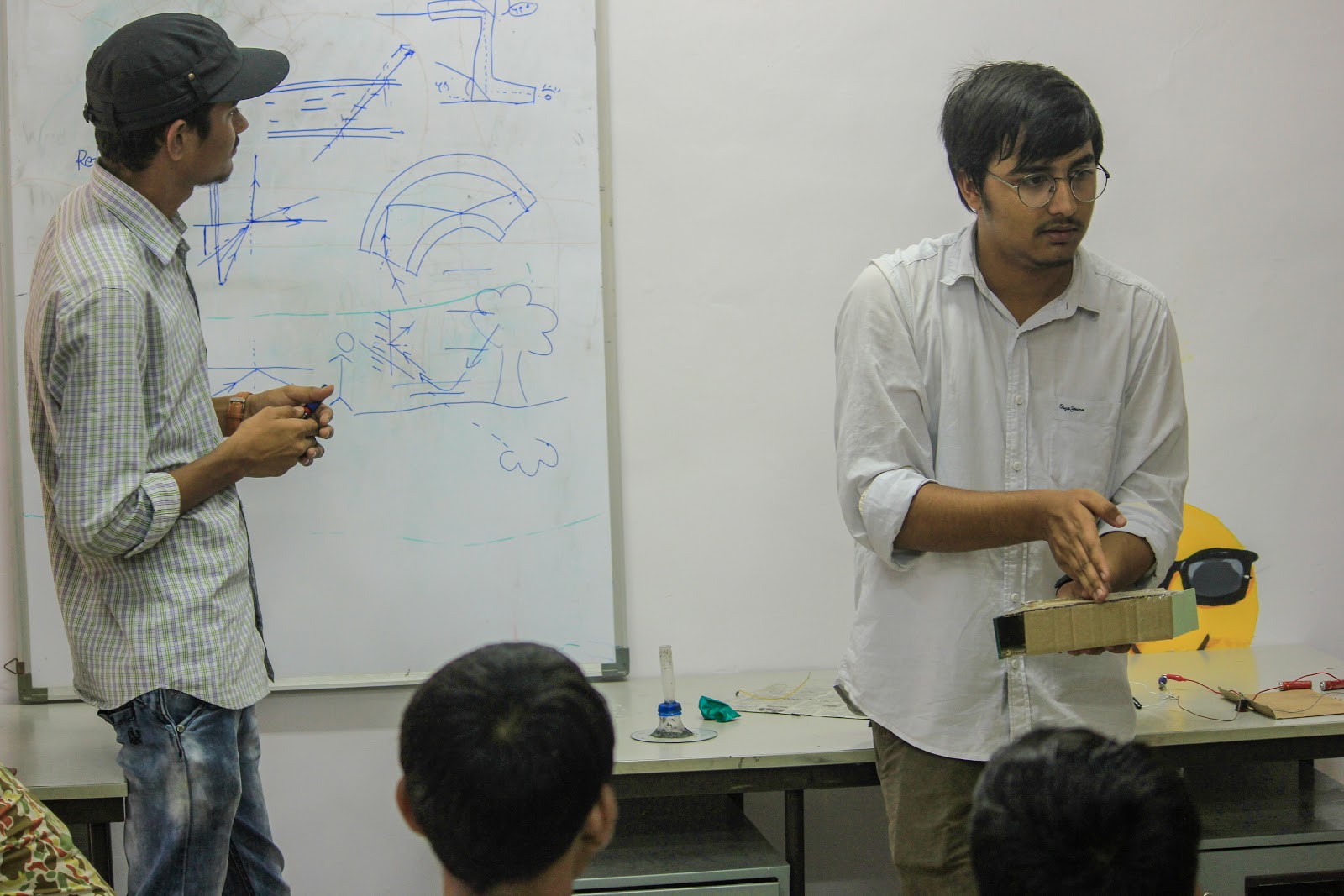
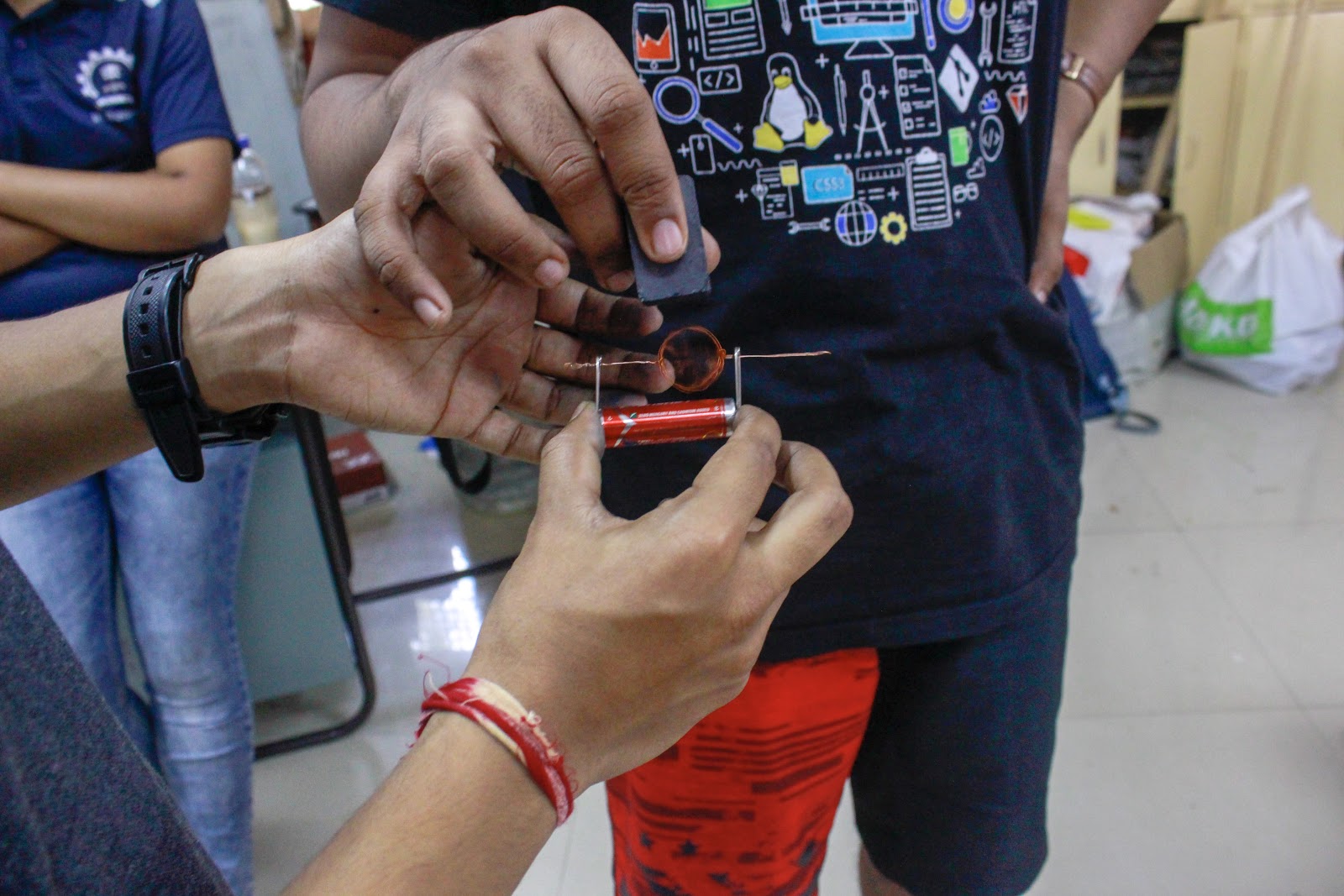
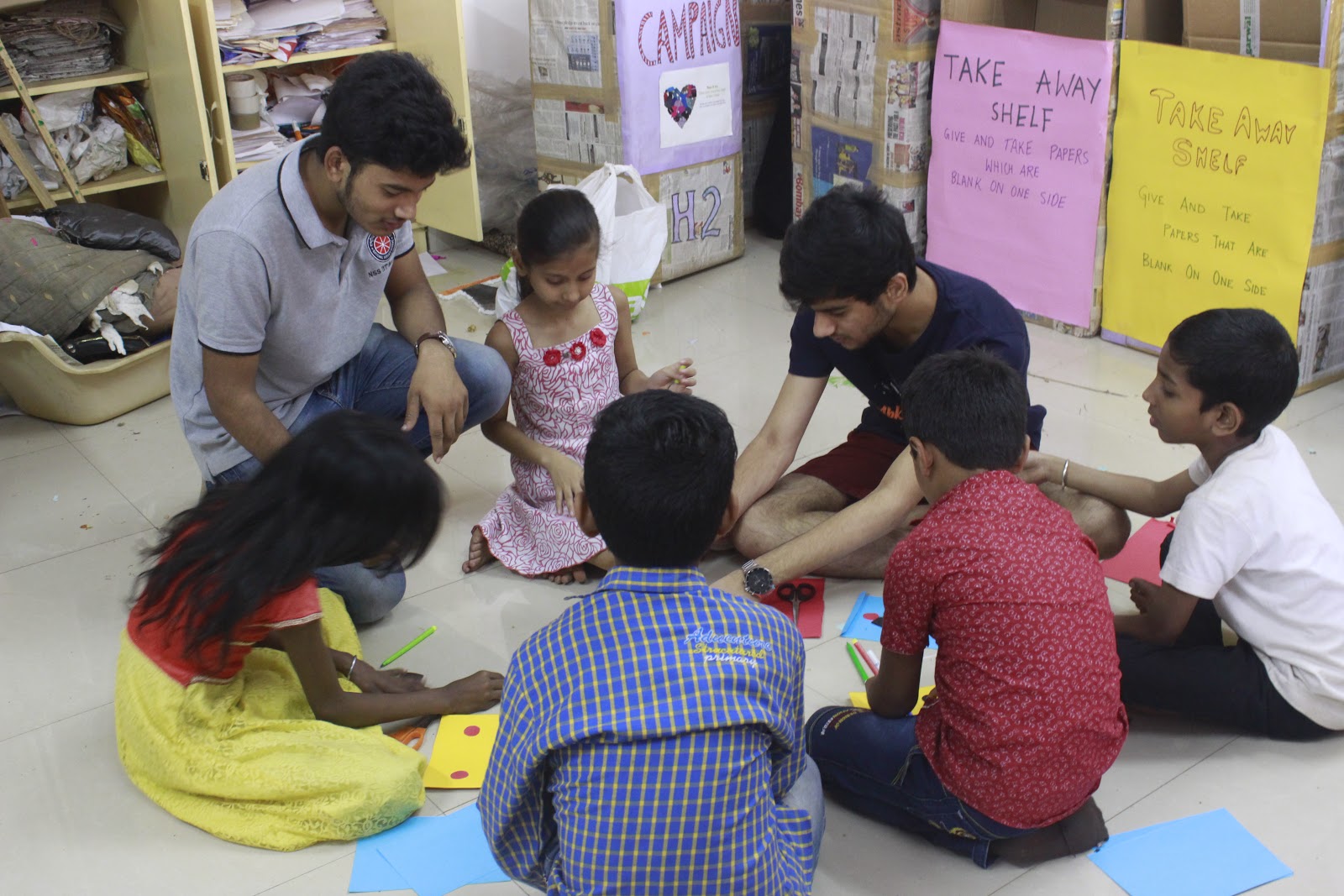
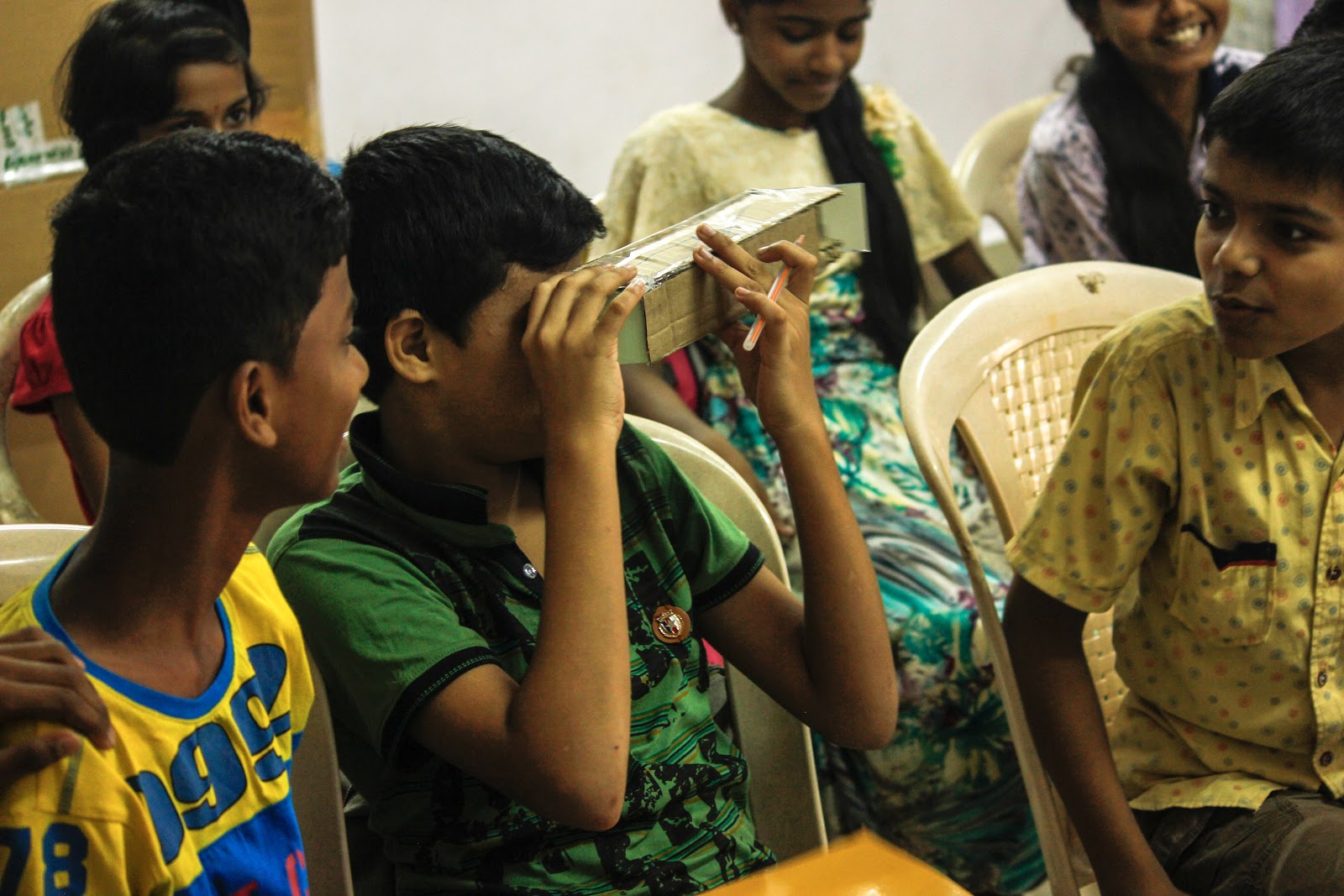
Prayog was started with a belief that science is better understood by demonstration. Our aim is to instill scientific temperament among the students by the means of simple, yet interesting and informative scientific experiments. The students get a chance to perform the experiments themselves after the demonstration. Also, care is taken to ensure that the experiments are performed with readily available apparatus so that the students can easily replicate them when they go home. All the experiments are followed by an explanation of the scientific principles on which the experiment is based. We included mental ability section this time with quizzes and puzzles and fun activities. This year the students were also taken to various technical exhibitions inside the IIT campus to ignite their curiosity and inspire them towards science.
Outreach: Over 100 students from 3 NGOs benefited from Prayog
The Way Forward: We are trying to expand the experiment section on OLI channel by recording more Prayog experiments. Also, efforts are being made to introduce easily doable projects in Prayog. Experiment reports will also be incorporated shortly. Regular sessions will continue as before.
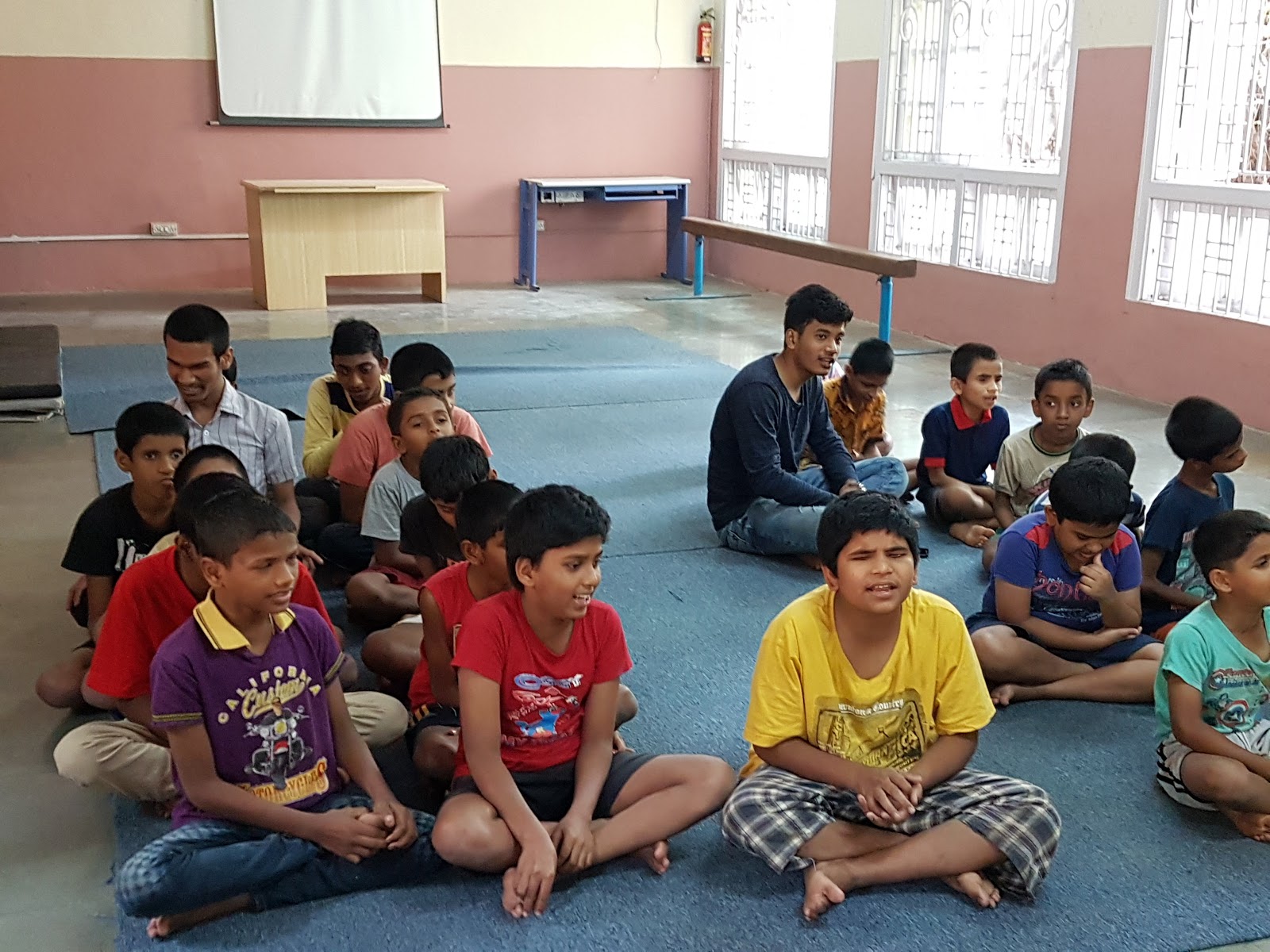
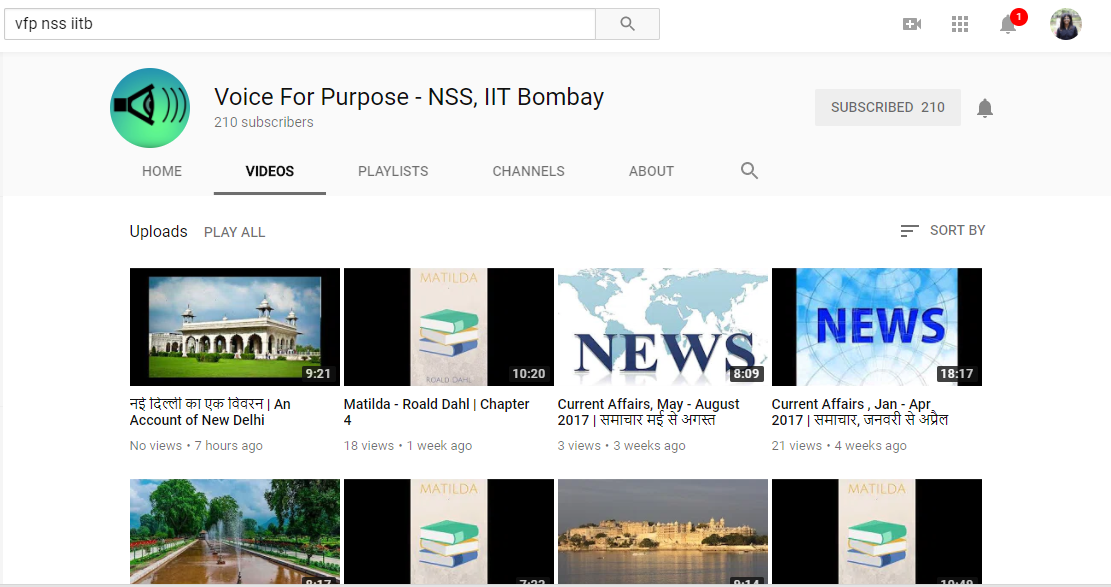
About the initiative: Voice for Purpose is an initiative aimed at providing quality audiobooks for the visually impaired community via our YouTube channel which has increased the accessibility of these audiobooks and facilitate their distribution. We are currently focusing on providing literature ( both Hindi and English), and have launched new genres like Travel Diaries ( to provide picturesque descriptions of places which the visually impaired cannot see themselves) and Current Affairs ( with the aim to provide information about the world affairs). We also conducted a blind school visit where we had fun interaction with the kids. Requirements given by the blind school are being worked on.
Link: https://www.youtube.com/channel/UC2iPnxGyKViqjV37f3r6uJwThe Way Forward: The channel currently hosts 70+ audio recordings, has 200+ subscribers and 16k+ views. We plan on reaching out to blind foundations and schools and provide requested content. Also, we plan on expanding our existing playlists with simultaneous creation of new ones.
Anyone who stops learning is old, whether at twenty or eighty. Anyone who keeps learning stays young.– Henry Ford
This program was started on the request of security guards to teach them the basics of English. We have come a long way since then and ALP has been extended to mess workers. We have even expanded the curriculum to make it more relatable to the workers’ needs. We now have included basic mathematics and basic knowledge (going cashless, how to fill forms etc ) for the benefit of the workers. Currently, mess workers and PHO workers in Hostels – 2, 3, 6, 7, 8, 9, 10 are benefiting from this program. We distributed dictionaries and notebooks to the mess workers to facilitate their learning process. We have been receiving a very positive response for the program and the workers have shown commendable enthusiasm towards learning
Outreach: Currently, 50+ mess workers from 7 hostels are a part of this program.
The Way Forward: We plan on structuring ALP by making more robust and thorough teaching modules which will be modified with time. Also, expanding ALP to the rest of the hostels and possibly to construction workers will be the next move.
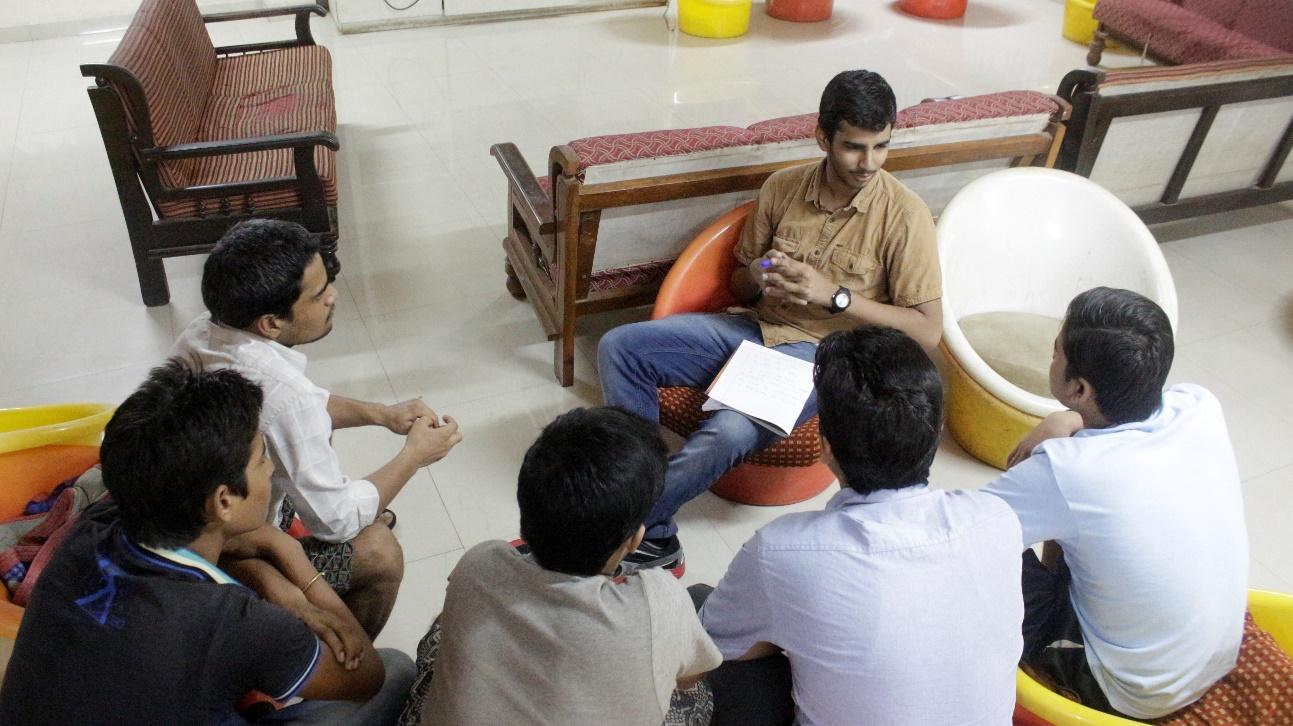
Educating the mind without educating the heart is no education at all.- Aristotle
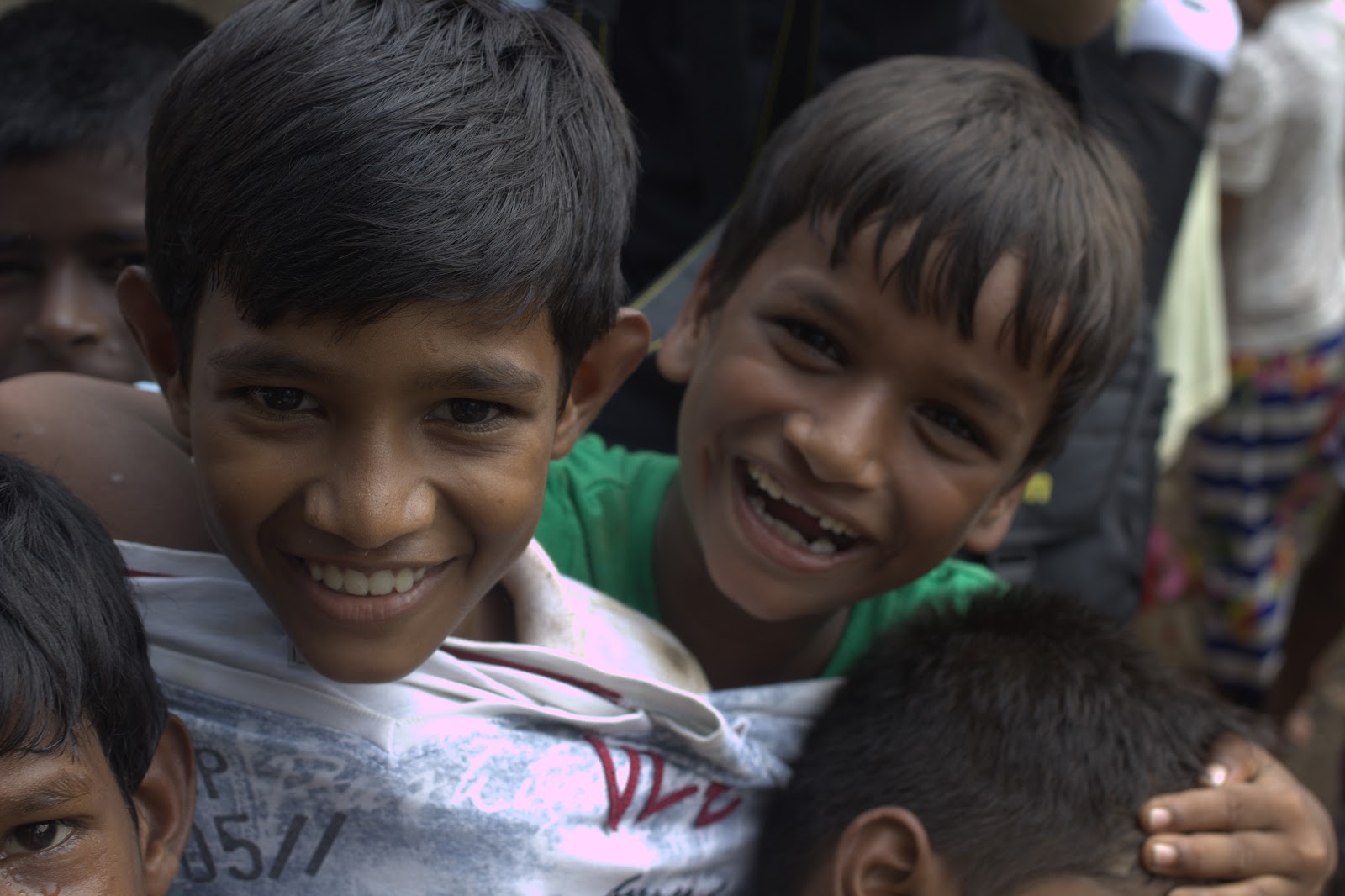
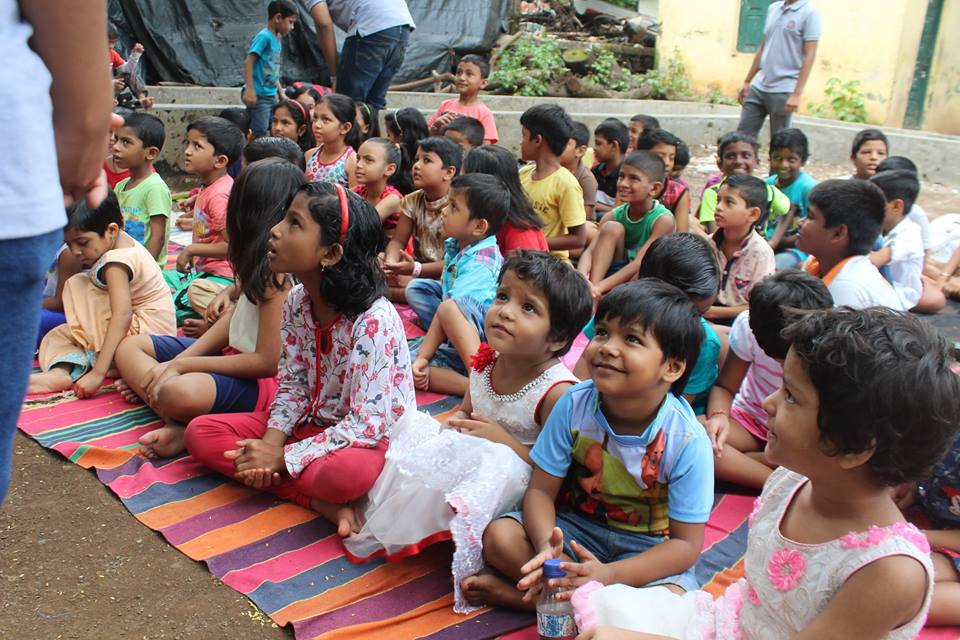
While most schools do serve their purpose by educating the kids, somehow Value Education is something that is missed out. We were introduced to this idea by WhiteSwan Neem School foundation, a Delhi based organisation, who wanted to start neem schools in Mumbai. After proper induction and training, we took this initiative up. Currently we are functioning in Gokhale Nagar Maidan (opposite IIT Main Gate) and have 40+ children from around the slums attending these Sunday morning sessions. Every session starts with a prayer, followed by instructions for proper hygiene maintenance which then is followed by the session on moral value of the day. Interesting stories and interactive activities are used to get the moral message to the kids and at last the session ends with a prayer. Many a times parents of the kids come by to see the sessions progressing and give feedback to improve the sessions.
The Way Forward: Expanding the Neem Schools to Phulenagar slum area ( to the left of Y Point gate) and starting these sessions in collaboration with NGOs operating in the areas will be the next step for Neem Schools.
Before this, we used to sleep on the ground...but now, things will change- A Construction Worker in Ambernath
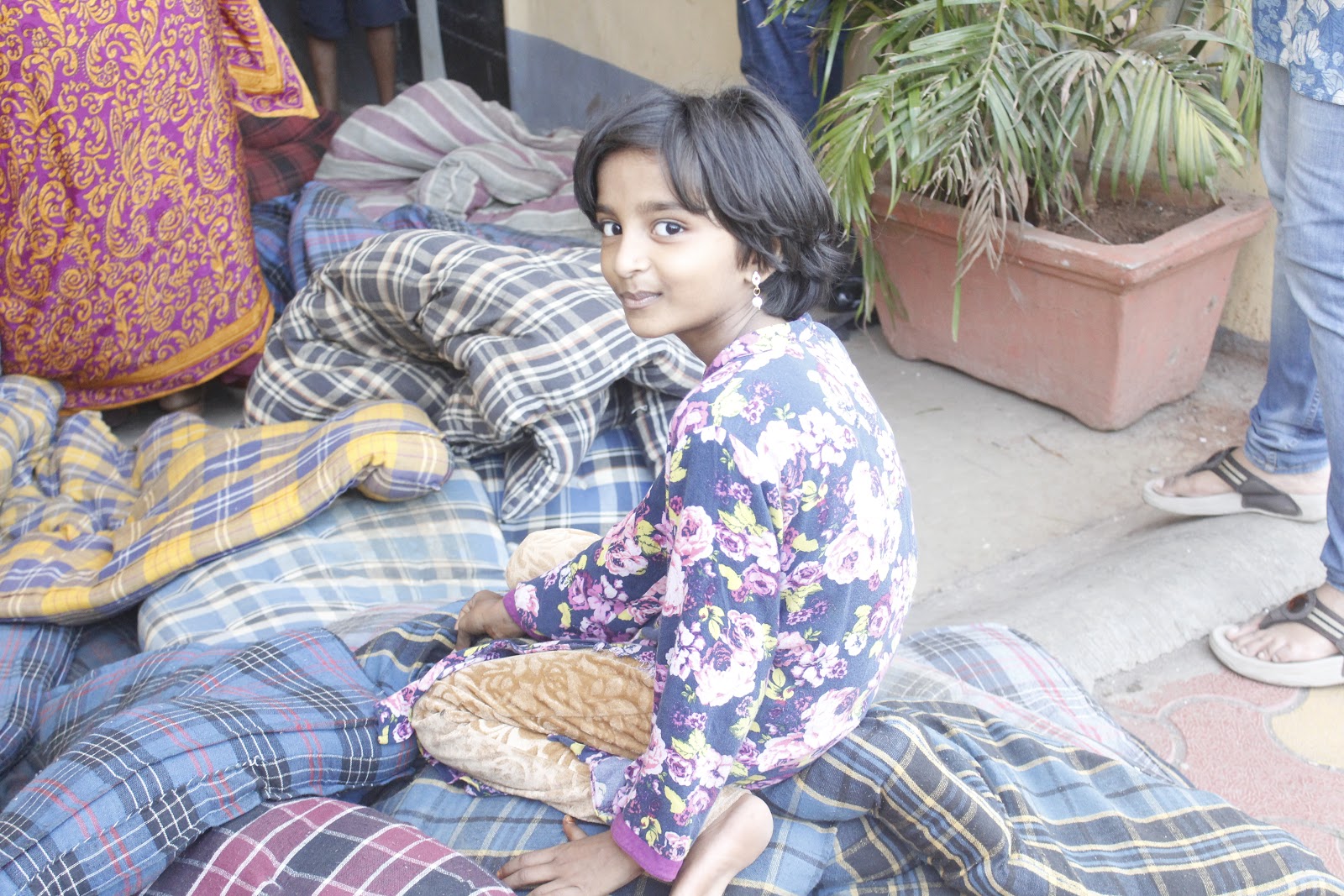
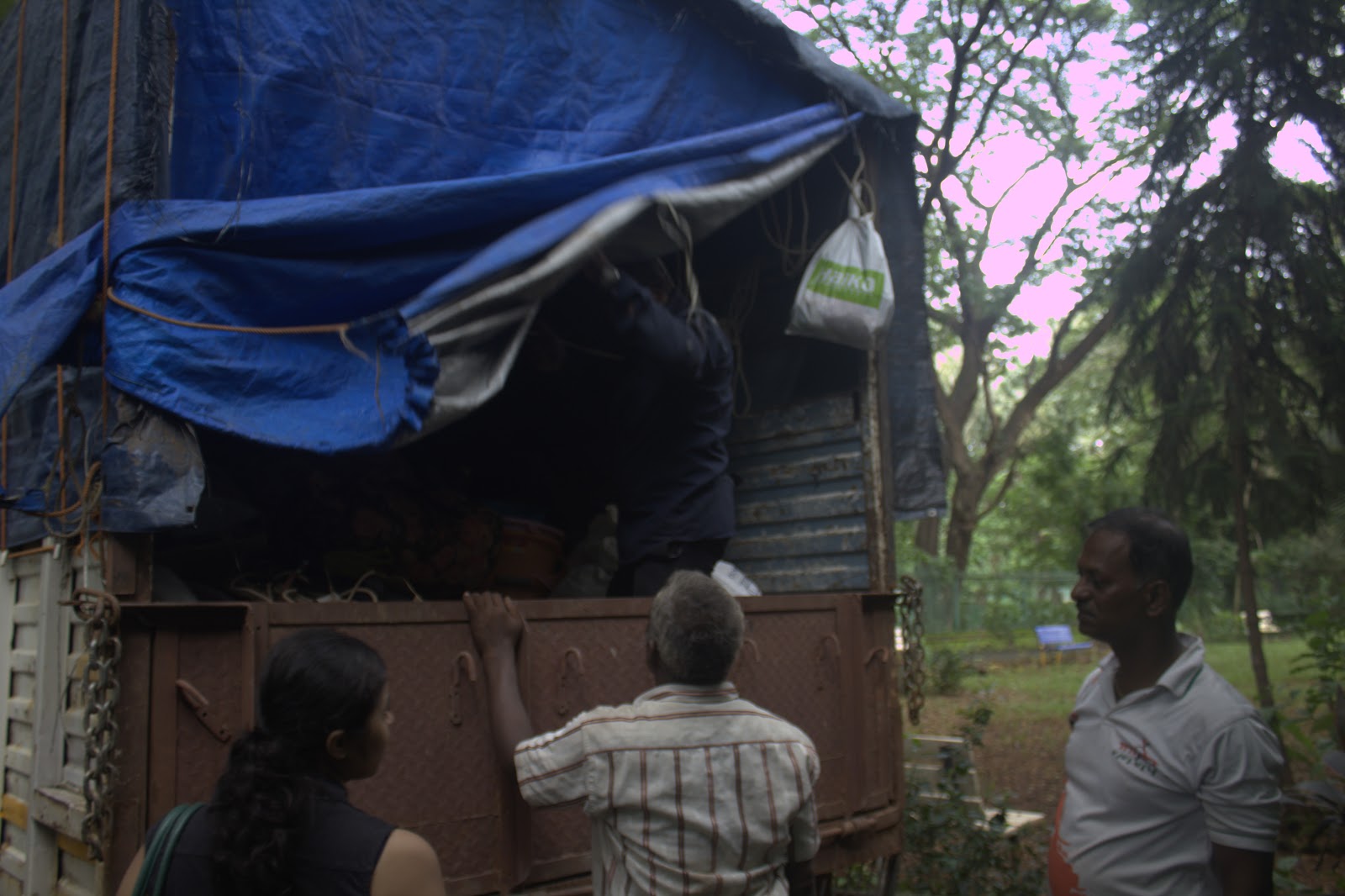
Every year, the institute witnesses the passing out of a large no. of students, both at the under-graduation and the post-graduation level. The students that pass out, often leave their bulky belongings, like mattresses, pillows, buckets etc. here, as they are not needed anymore. The Graduation Collection Drive(GCD) was started with the thought that these items, if collected and donated, could be effectively used to benefit a large section of the society i.e. a complete village or a colony. The activity is generally done by the Activity Associates of the departments, under the supervision of the Department Heads. Volunteers are included in the donation activities Every year, the initiative is held in the months of May and June, as it is the time when the academic year ends and the students leave. This year, the donation activities were held in the slum areas of Ambernath.
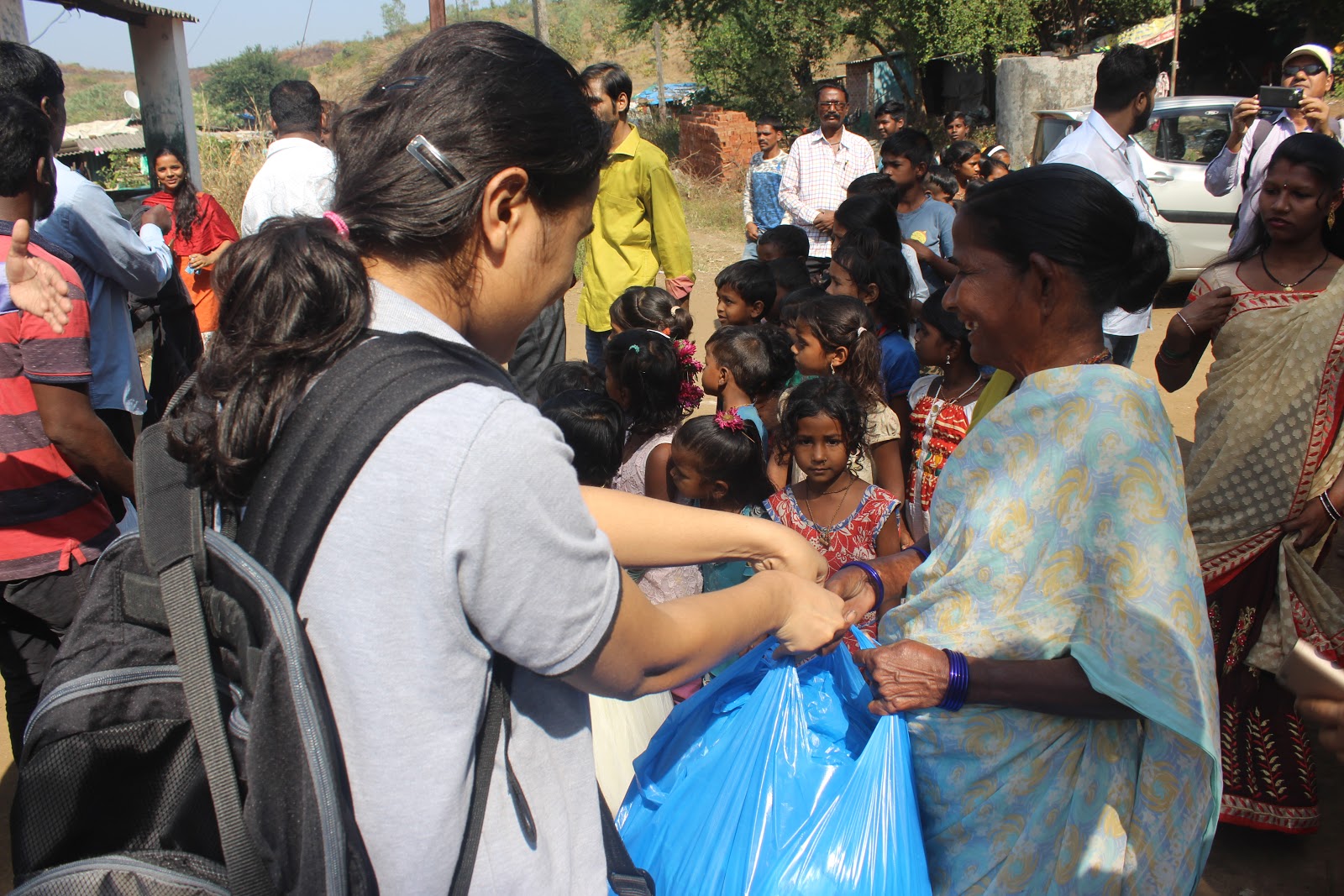
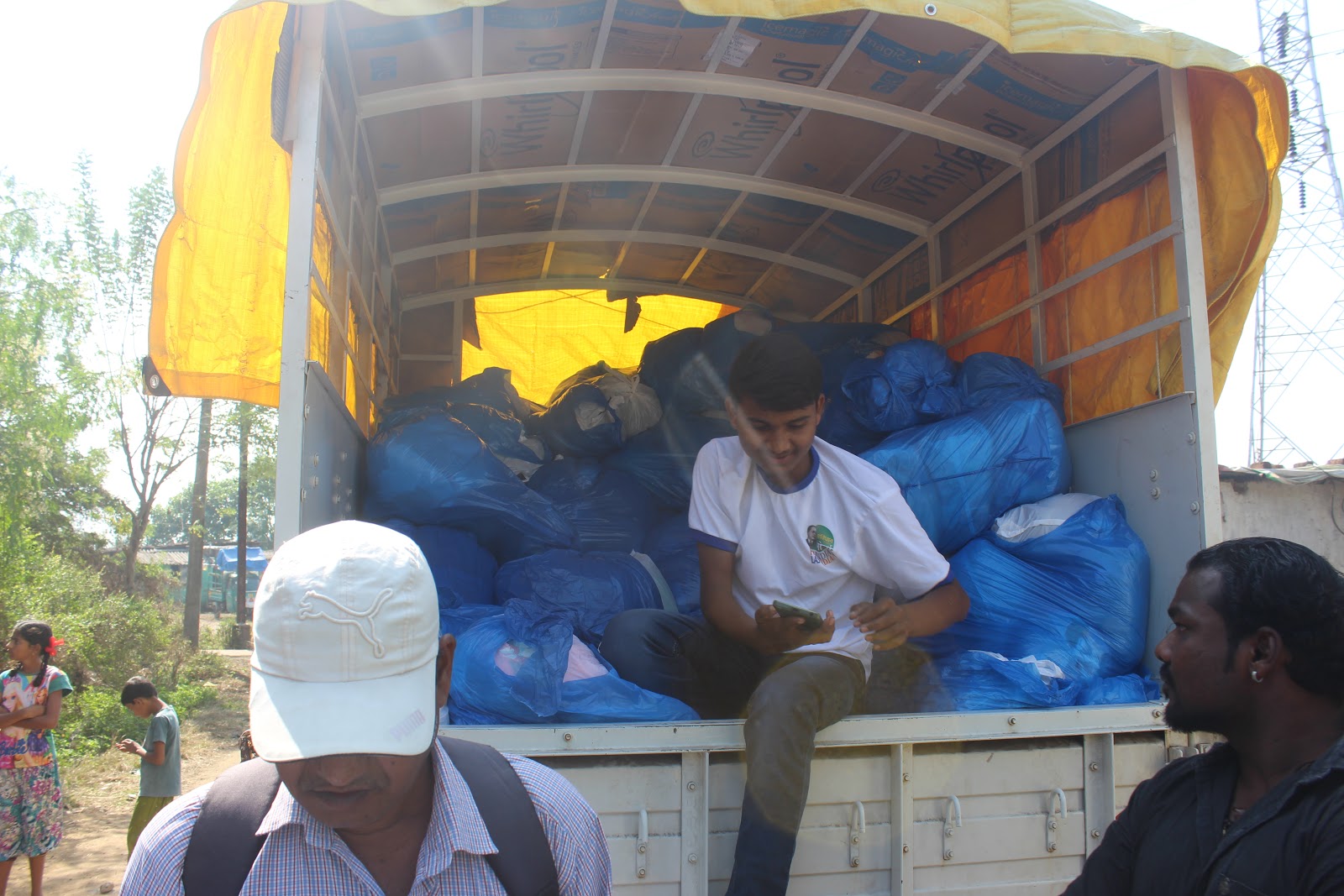
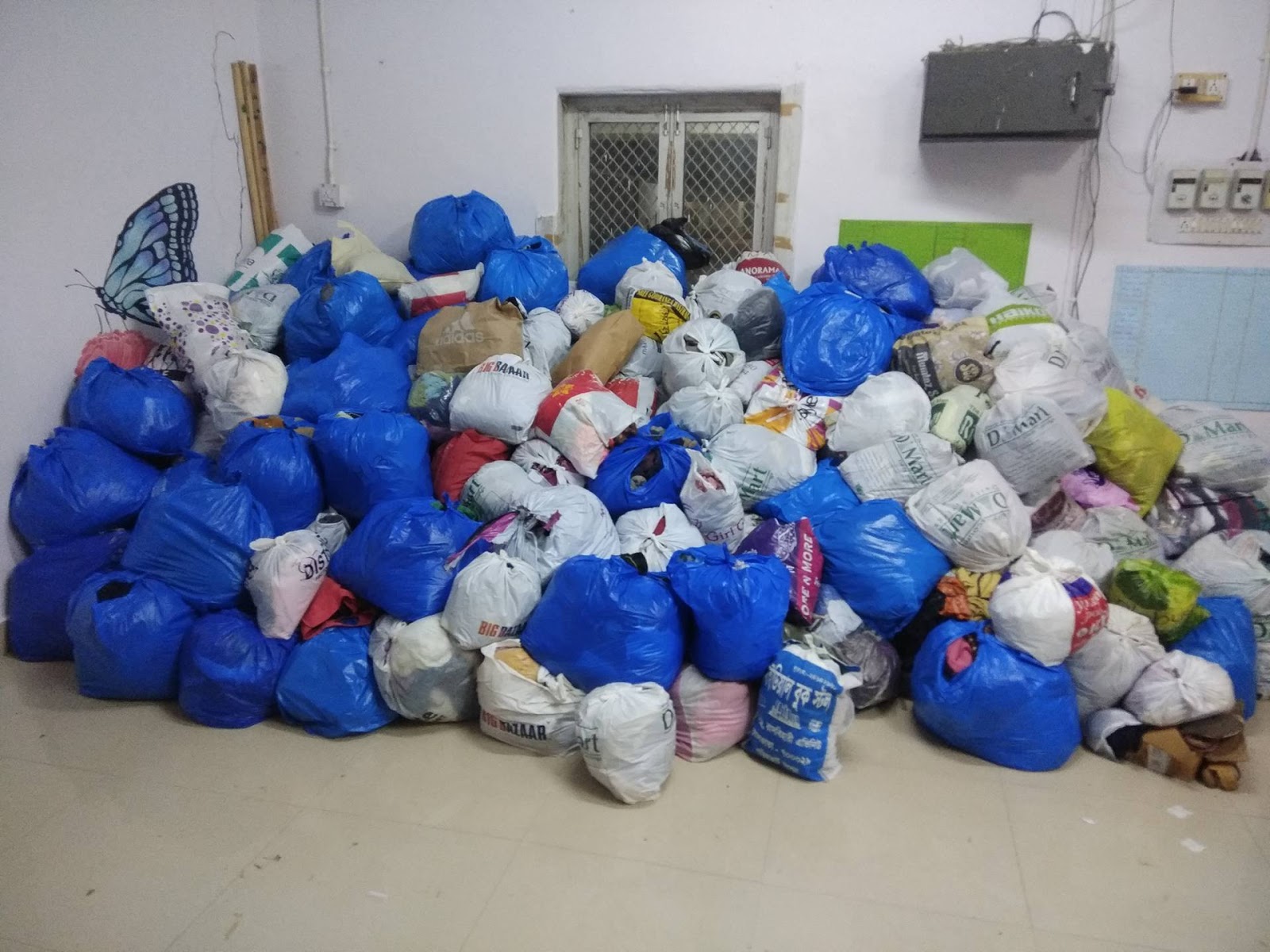
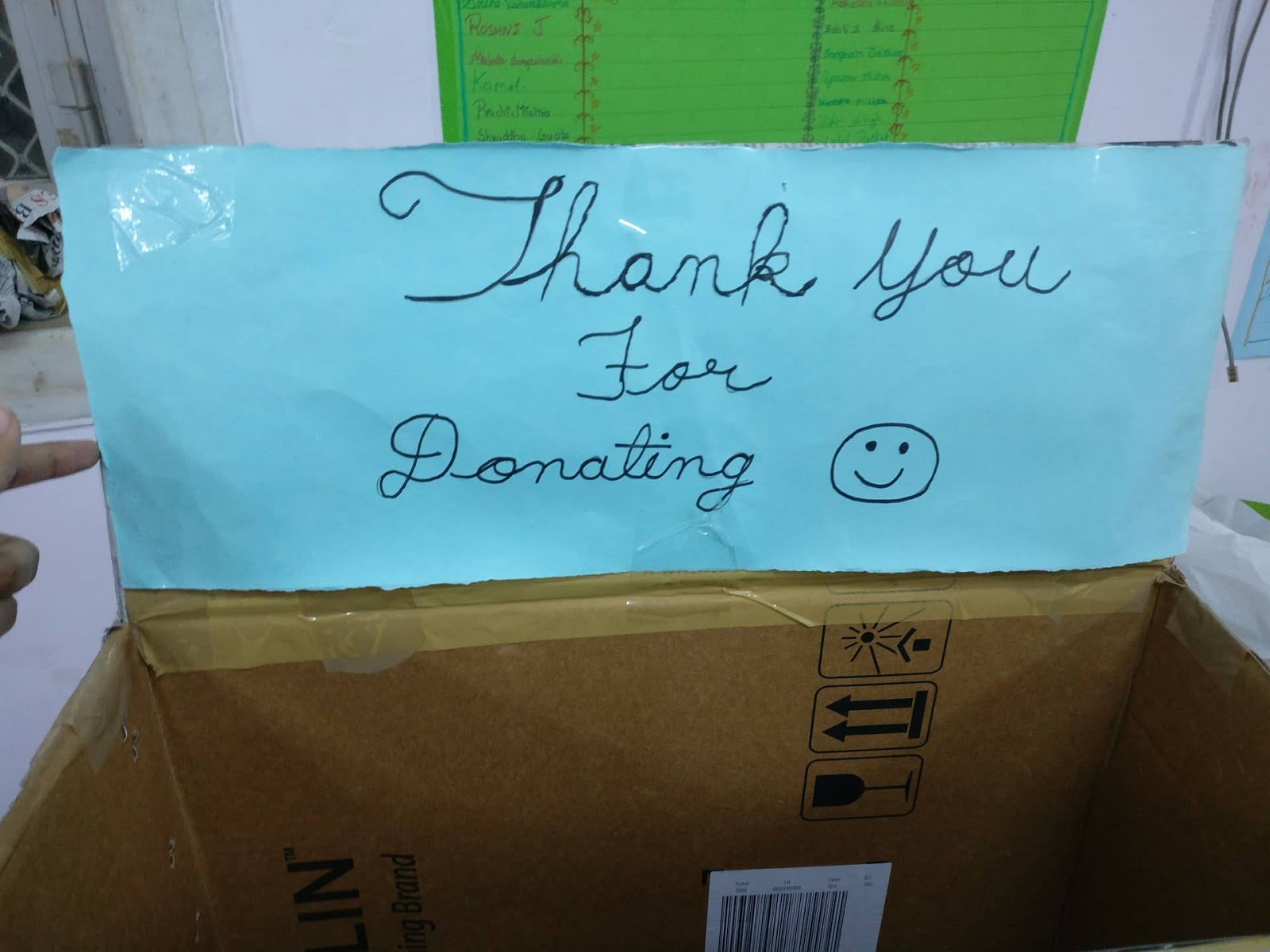
As the name suggests, the initiative acts as a link between the donation-interested people in the institute to the beneficiaries by donation of clothes from the former to latter. As the flagship activity of the Events Department, the Cloth Collectin Drive(CCD) is held over the course of the complete academic year. It is further broken down to 2 phases- Phase 1, held in October involves collection from the student hostels, which includes making of interactive donation boxes by the volunteers, putting them up in visible, common areas in each hostel followed by regular collection of the donated items. Phase 2, held in March, is conducted in the professor residences, the volunteers are divided into specific groups and allotted specific areas, where at first publicity posters are put up, followed by 4-5 visits in the areas to collect clothes from the interested people. In both the phases, segregation and sorting of clothes are done by the volunteers itself. The activity is most enjoyed by volunteers as they themselves are responsible for all the collection, the sorting and the donation activities done in the initiative. This year, the initiative, especially Phase 1 witnessed a huge growth in terms of the volume of clothes donated. The phase 1 donations were again carried out in the slum areas of Ambernath, with the help of The Front Labour Union, over the course of two visits. The head of the front labour union said the following about our initiative:
You all are doing a great work. I have never seen college students affecting the lives of such a large group of people in this type of effective and efficient way
I can literally come and teach here daily, I truly love it!!- An enthusiastic volunteer after a session
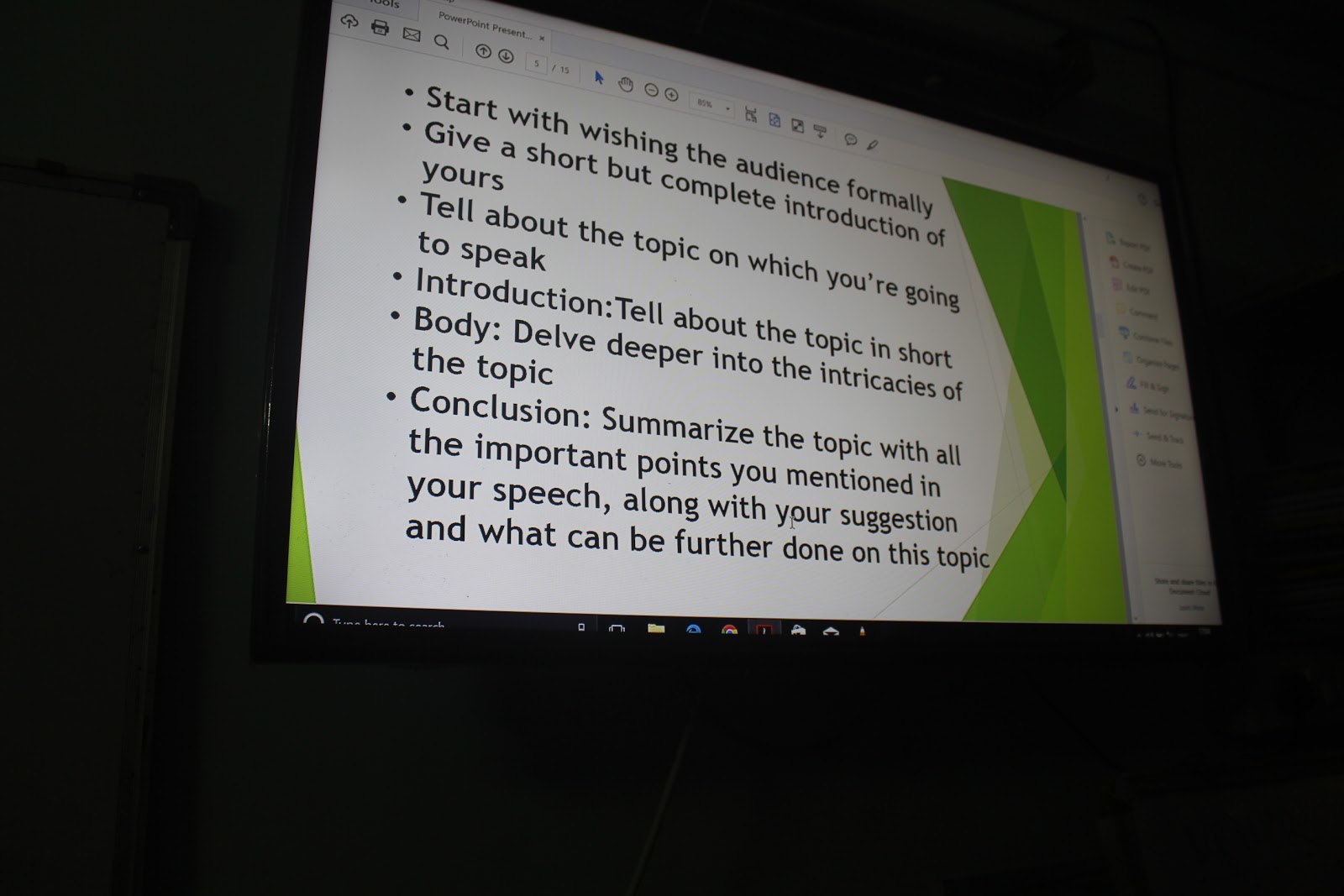
Events department believes that apart from learning the basic subjects such as Maths and Science, a good bit of talking sense and correct use of language is also required to help students tackle the daily endeavors of life. Keeping this in mind, our volunteers visit different NGOs in and around the institute to inculcate in students, the basics of vocabulary and communication skills. The NGOs currently involved with us are The Logic Centre and Community Welfare Association(LCCWA) and Asha. The volunteers have a well prepared teaching module dedicated for the same and sessions are conducted over the weekend to teach different aspects of the above-mentioned topics, followed by an interactive activity to include the children and re-explaining the concept through direct participation. Thus, it is a fun activity for both the children and the volunteers.
Next time also, you come. I have many doubts, I will ask you to clear them and teach me other things.- A student at NGO Asha
Your initiative is truly innovative and new. I donate every day and love to do so.- A post graduate student studying in the institute
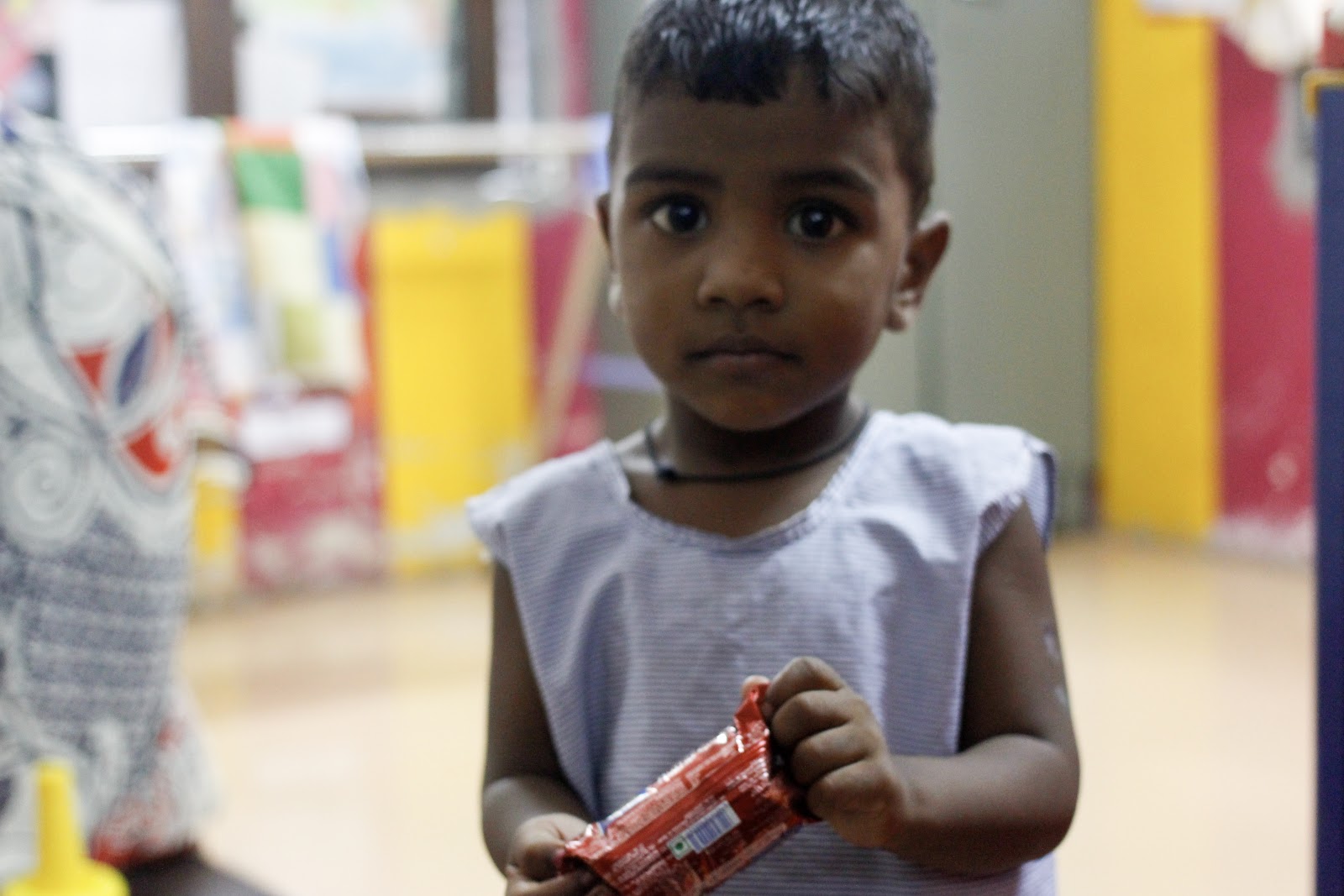
Meals of Content(MoC) is a new initiative launched by the Events department this year, to cash in on the fact that the canteens do not always provide the change and the buyer must sometime reluctantly take different items with them. The MoC provided an alternate platform for the same, purchasing biscuits from that change and donating it the donation boxes provided there by NSS. The first activity of the academic year for the volunteers, this included making of interactive donation boxes, coaxing the various canteen owners to allow the boxes to be kept in canteens, and then regular collection by the volunteers. This year, the initiative was held in some of the department canteens and some hostel canteens. As a trial run, the MoC was also held outside the institute, to cater to a more diverse audience. The total collection was close to 300 packets, donated at the Aman Day Care center in the institute and the Akshay Patra supported schools in Thane, as an additive to their morning breakfast. The initiative is planned to be extended and made more effective in the coming years.
In the working market, there is always a shortage of skilled assistants in the shops. On the other hand, in the slum areas we have people who are qualified enough to work, but not so due to insufficient some extra, edge-providing skills or due to indulgence in bad activities. The initiative tries to act as link between the two. Uptill now, the initiative is not on ground yet, but the back-end job is almost complete. This includes making a completely different interactive teaching module for imparting the required skills, and a survey conducted in the shops of galleria to get an overview of the type of labor force and skill required by different categories of shopkeepers.
Green Campus is the department which attempts to take people closer to nature and works in direction of establishing a relationship with it. While doing this, we try to serve the mother nature by building a sustainable ecosystem inside the institute. We conduct Plantation Drives, Sapling Collection Drives, Biodiversity Mapping thereby making the volunteers feel the ecstasy of being in close relation with nature.
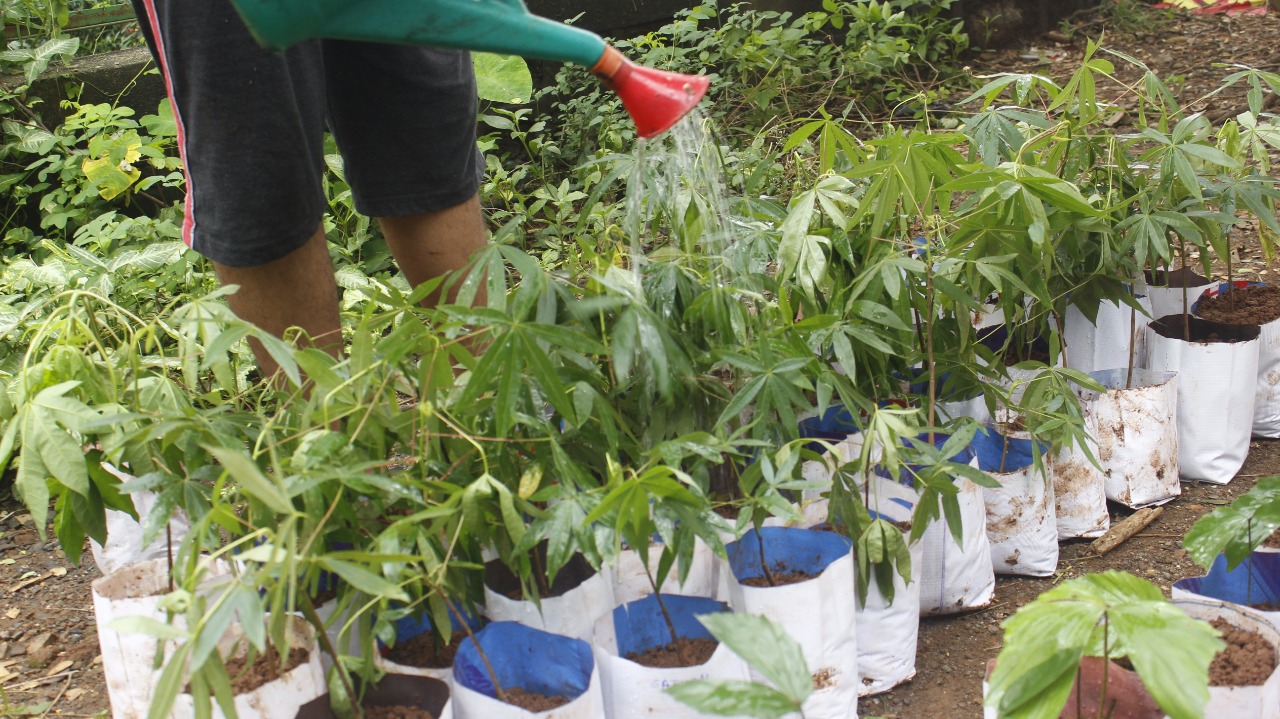
Every monsoon, many small saplings self-germinate near there large parent tree which later perishes due to insufficient sunlight and competition for nutrition as they are closely placed. So the volunteers collected these saplings transplanted them in covers and nurtured in the NSS nursery. When the saplings became self sustainable they were planted in hostels and different parts of the institute.This year we collected more than 200 saplings of Jamun, Mango, Jungli Badam, Taad, Umber etc.
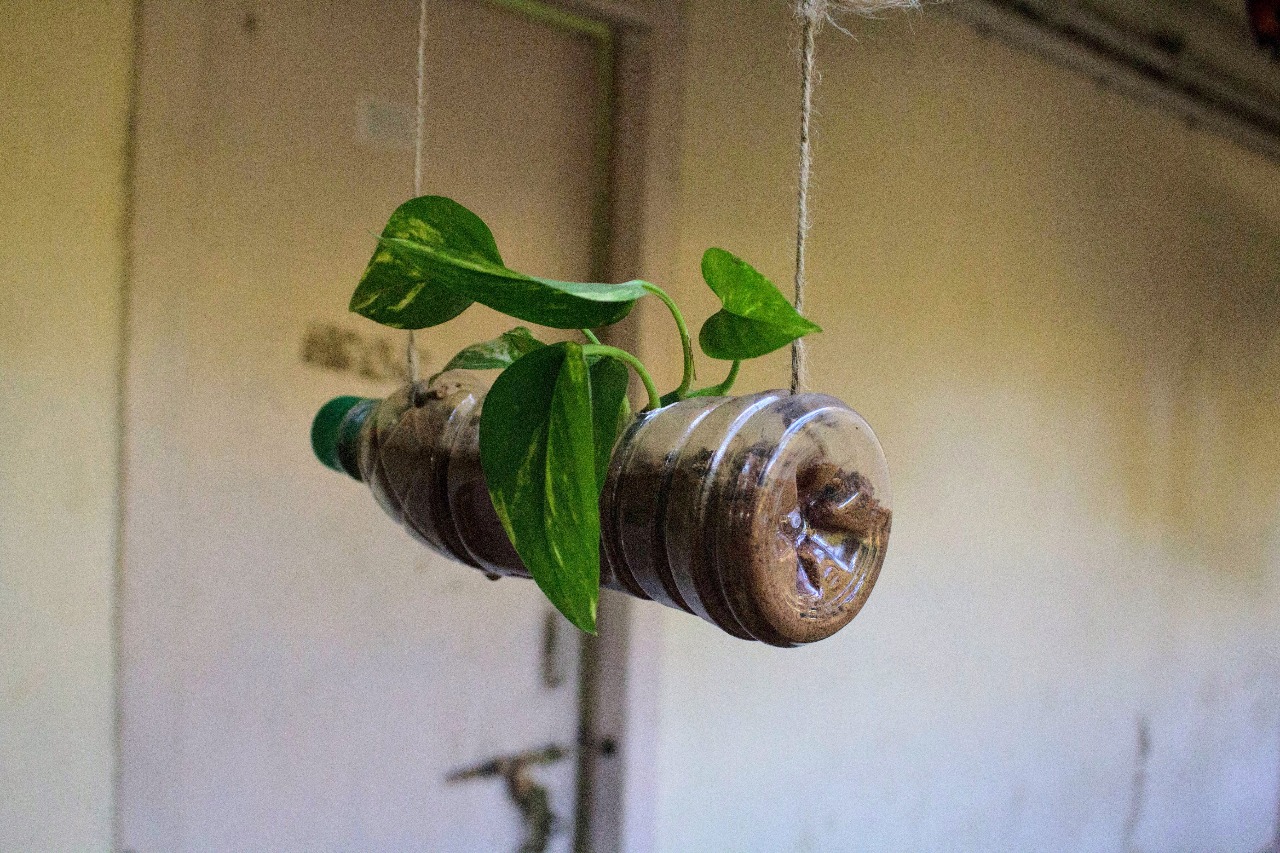
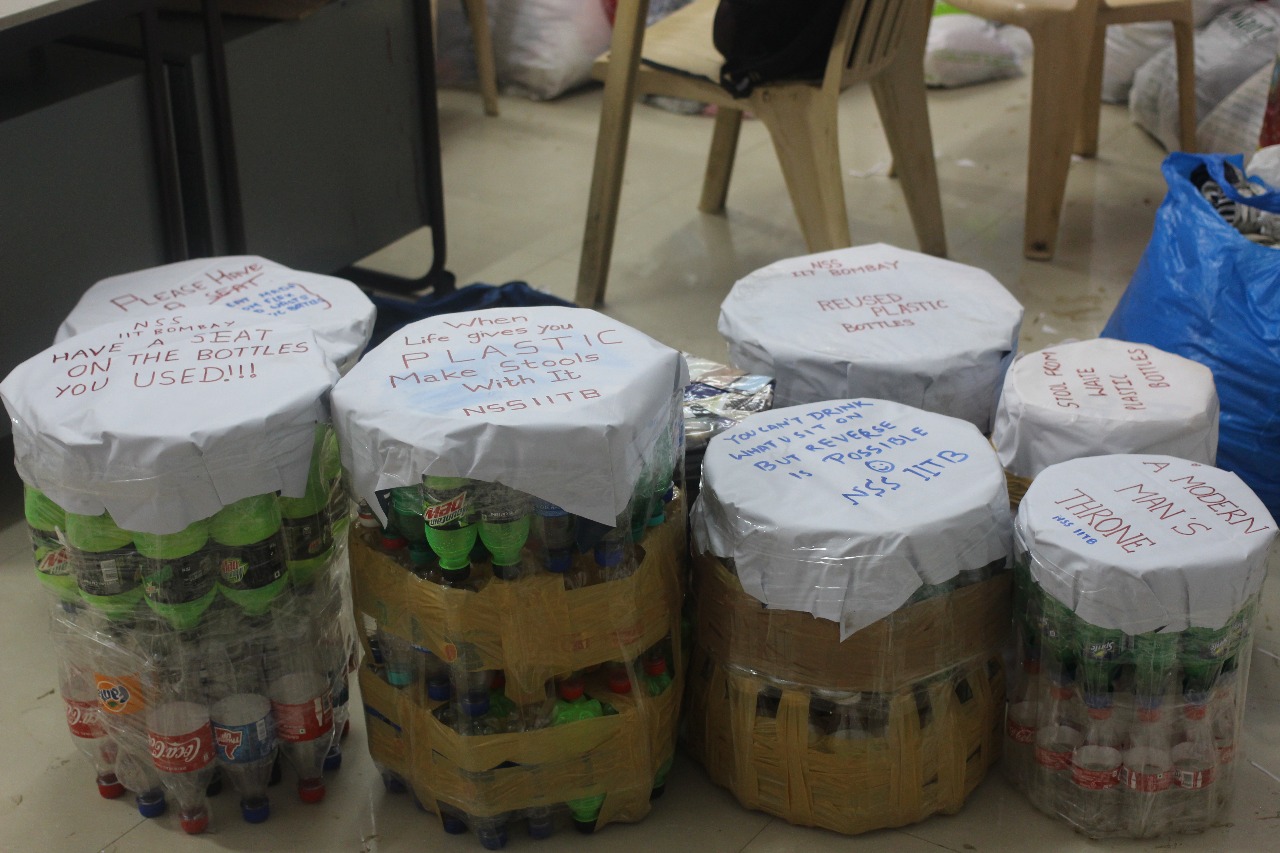
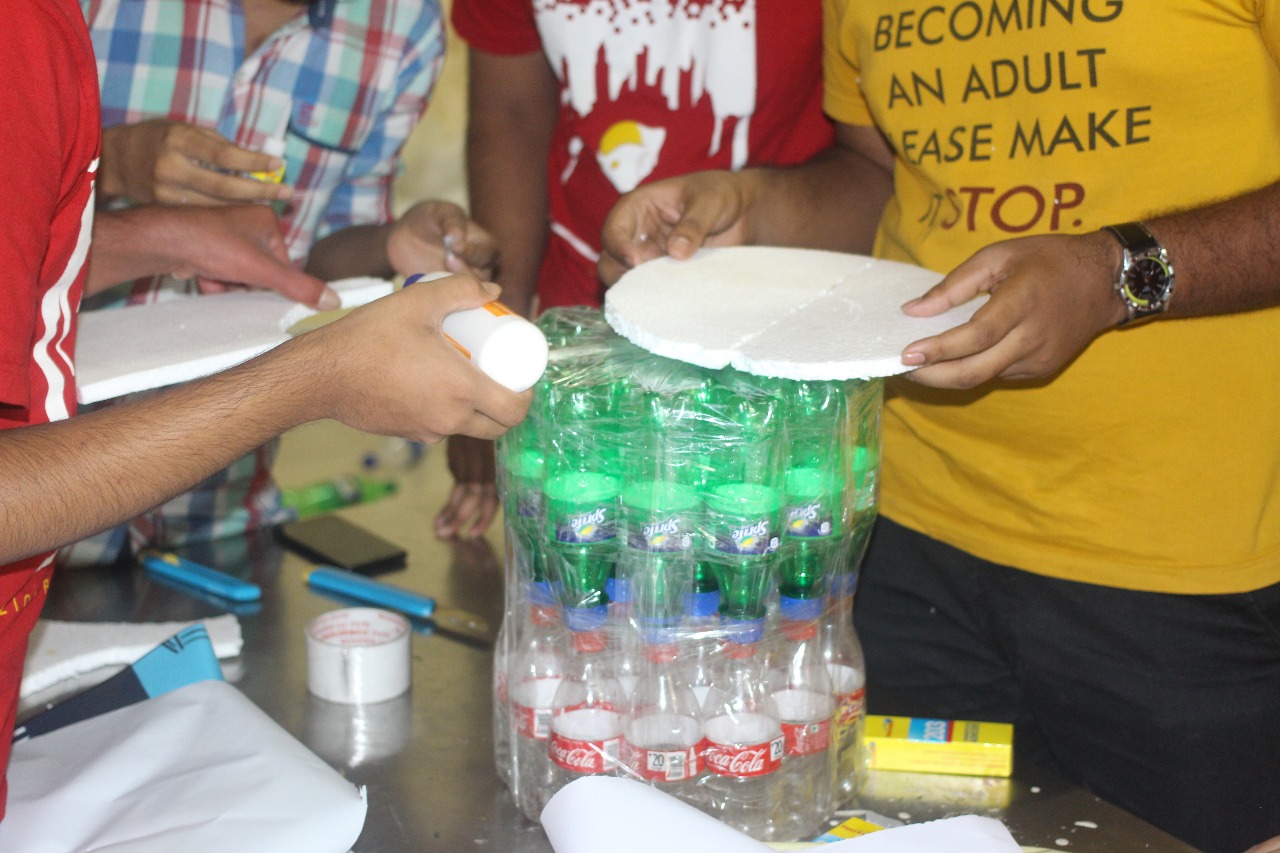
To specifically involve more students in plantation, we started conducting sessions in hostels.Plantation workshops were organized in Hostel 2, 4, 5, 6, 7, 9, 14, 15 and 16. Hostel inmates were also involved in the workshop where they reused waste plastic bottles to plant saplings which were used to decorate the corridors. Mostly these plantations were done during hostel fests, Republic day and Independence day.Some of the hostels councils also approached us for help in the development of their gardens.
The conventional black plastic covers used for planting seeds and saplings in the NSS nursery were replaced by the covers which were made by waste flexes used for advertisements during fests and other institute events. The volunteers made covers of various sizes. This is one of our new activity promoting the concept of ‘Best out of Waste’.
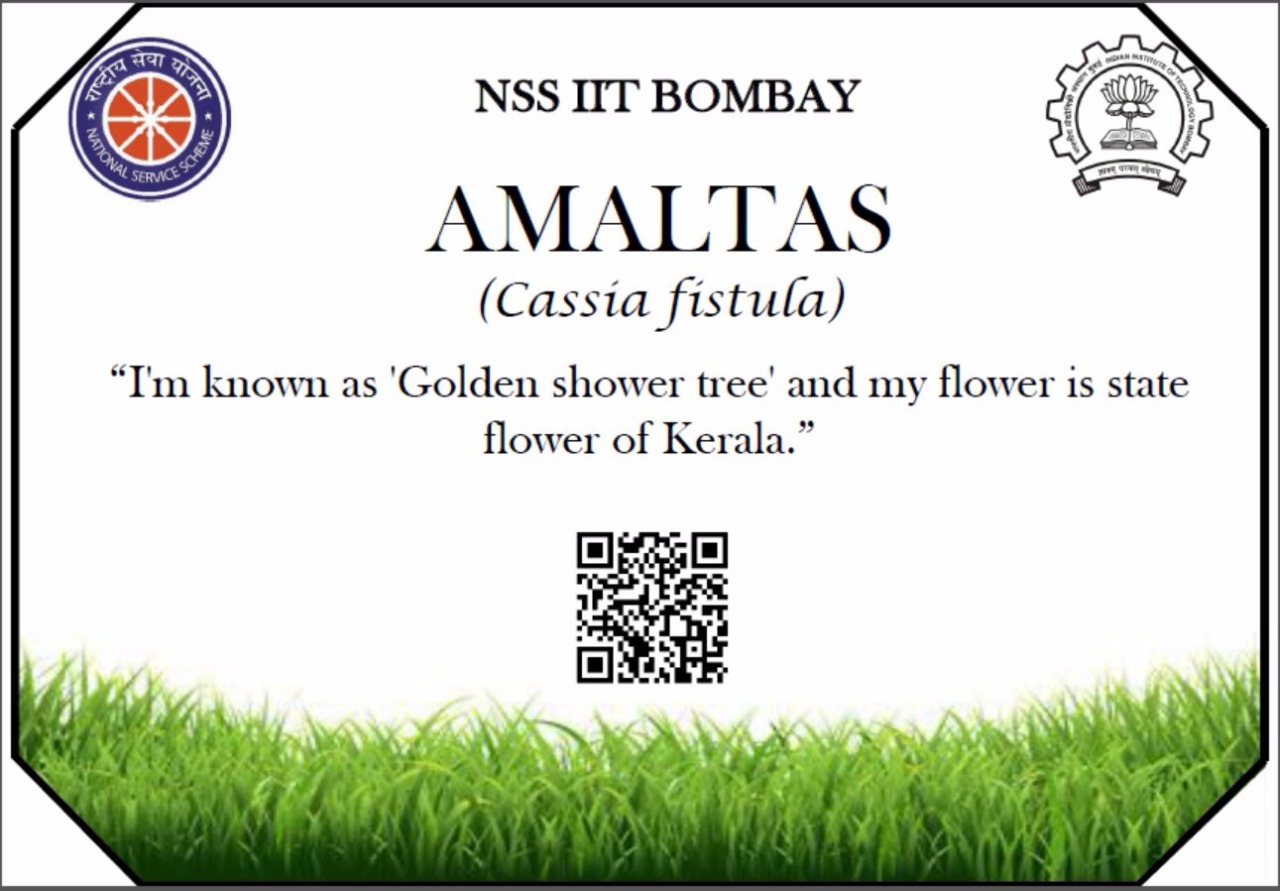
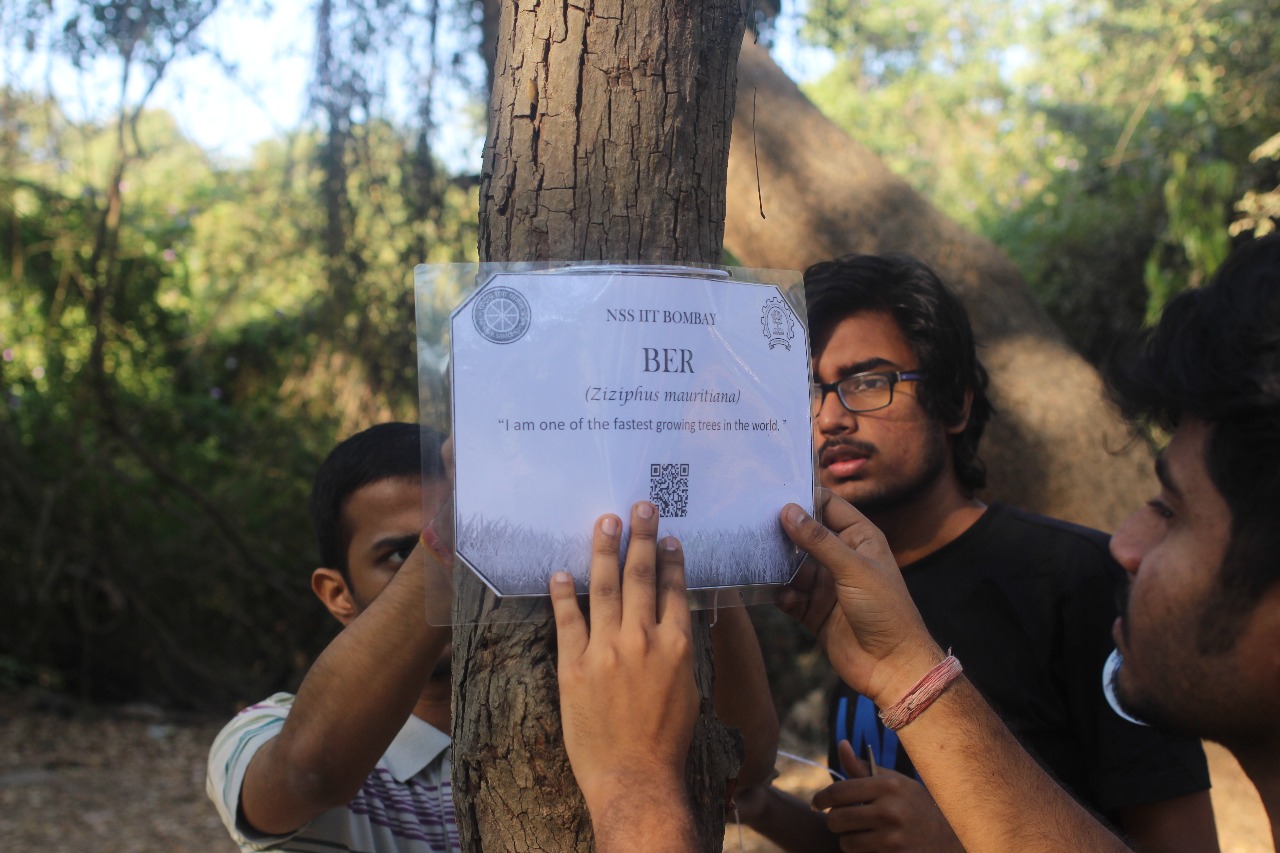
An online portal where one can find all relevant information of various tree species present in the campus. Volunteers made small videos on each of the species which contained all interesting features of the tree. Apart from this the portal also contains the accessible locations of various trees in the institute. This portal is linked to the placards by QR codes on them which makes access to this portal simple.
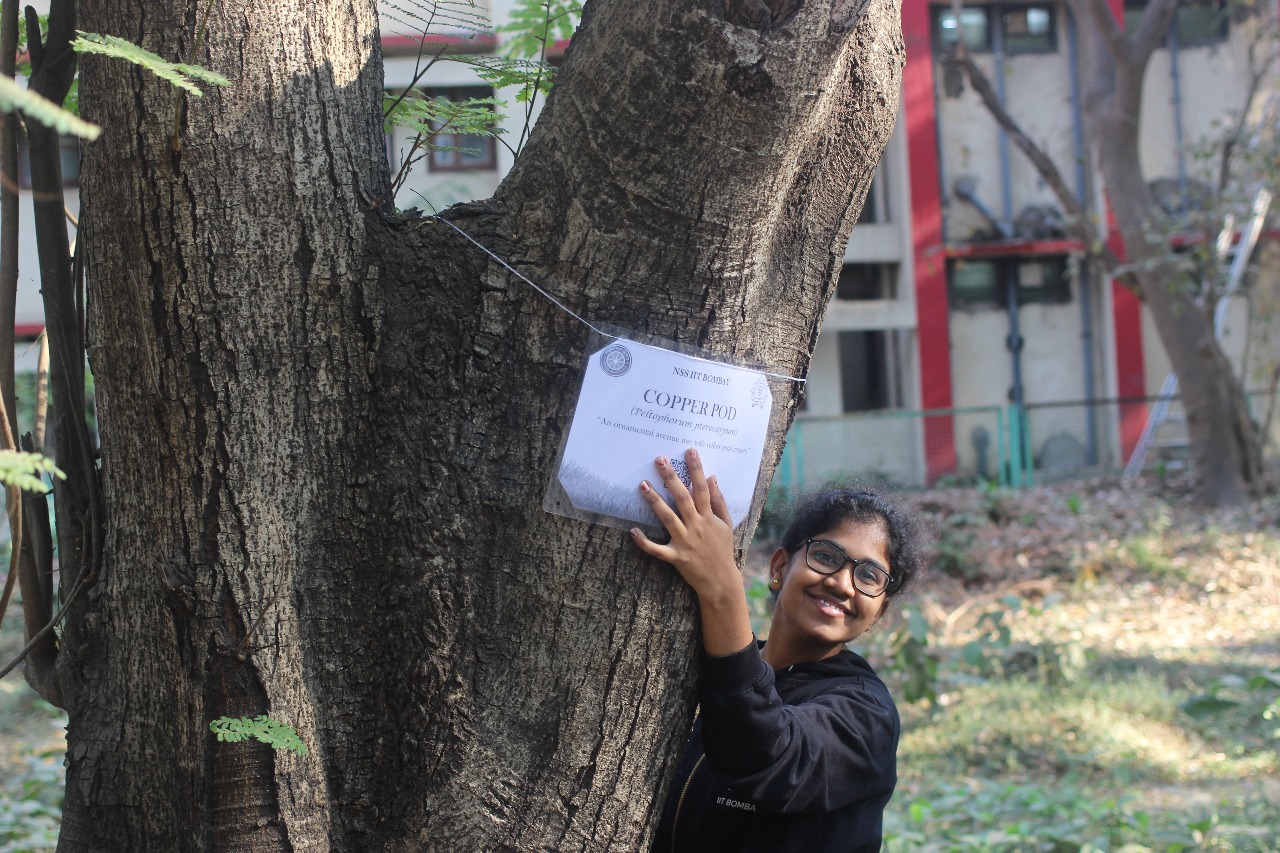
Biodiversity mapping is the idea of locating the exact position of trees in given area and creating a database out of it. This is important in long term as it gives us the data trends of each species of the tree like which species are increasing or decreasing in number. This database can be created as per area. We can search for reasons of these data trends and take corrective measures if required. Student community in the campus have a huge set of activities which they can participate in and this causes them to pay very little attention to the huge biodiversity they pass by daily. We thought there can be an easy way of making this biodiversity data available to the community where they do not need to invest extra time to acquire it and praise the importance. So in addition to mapping the trees, we chose main road inside the campus and put the placards on trees bearing their names and specialty. Thus the information of biodiversity along the road is now made available to all the passers-by.
We started the work by taking “Study of the Biodiversity of Indian Institute of Technology Bombay Campus” by WWF as the basic data. It was the data from 2008-09. We took the names of the trees from that report and made a database of their images with the help of volunteers. Later, we started identifying the trees in the main roadside. Volunteers also tried to explain the speciality of the tree through one liner info. Eventually, we put the common name, scientific name and speciality of the tree on the placard and put these placards on the trees. Care was taken so that no tree was harmed by the activity.
This year in this initiative, to improvise, we used one sided paper for this activity which were collected from different departments and academic area. More than 1200 placards were labeled. Also this time the placards were digitised by introduction of QR codes which when scanned redirects to Greenopedia (an online database).
We used dry leaves collected by PHO (Public Health Office) workers from institute roads and hostel mess vegetable waste for making the compost manure. This served as the natural organic fertilizer for the plants, making the nursery self sustainable and at the same time facilitating the reuse of waste. We have been using this method of composting to convert the infertile soil in the triangular area outside the nursery into a fertile one.
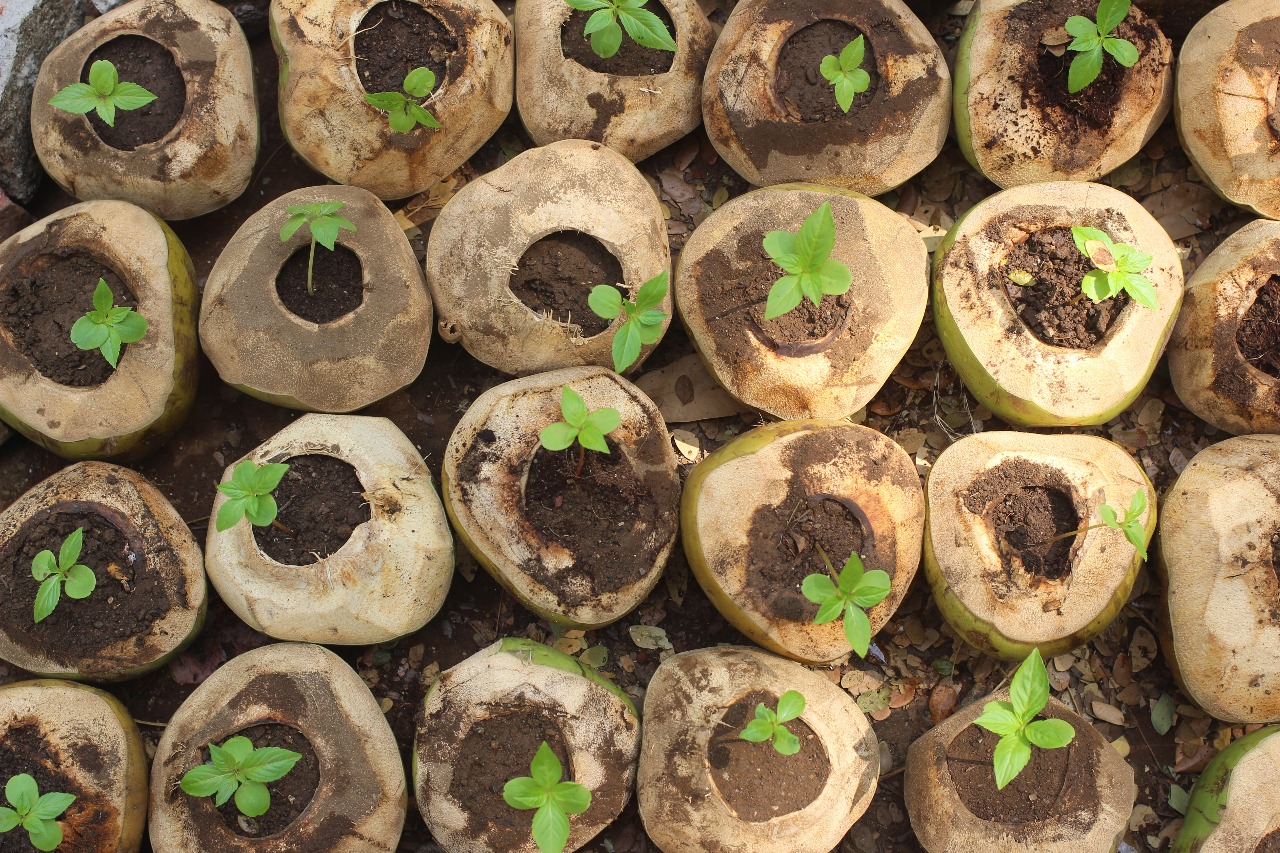
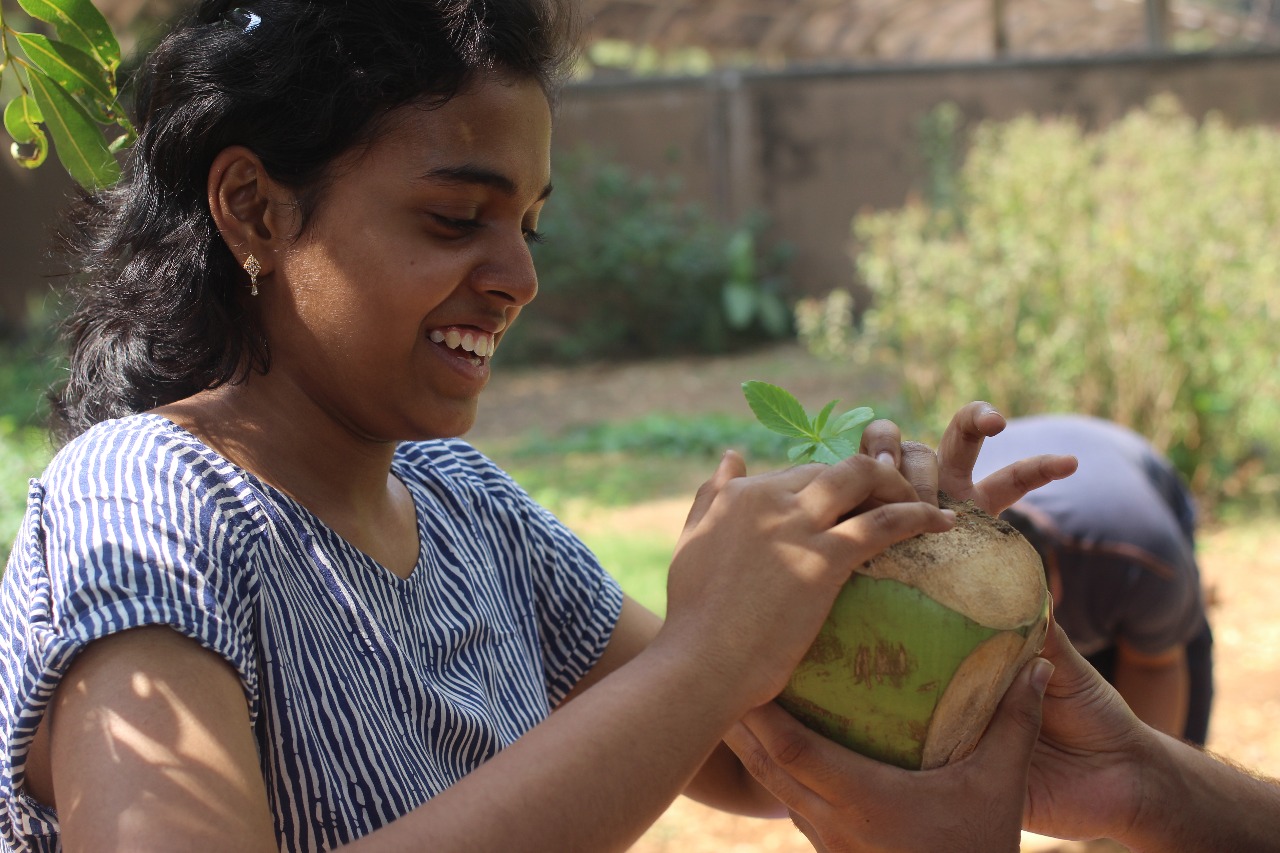
It is an unique way of plantation in which saplings were planted in the used coconut shells. Also when transplanted with the shell, the coconut degrades in the soil thereby providing nutrients. We collected more than 50 empty coconuts from the institute and planted Balsam saplings in them. In this process, we made holes in the bottom of the coconut, filled it with mud and planted the seeds or saplings in it. The holes in the coconut helped the roots to grow without any obstruction. This activity reduced the usage of the conventional black plastic covers in our Nursery thereby promoting sustainability.
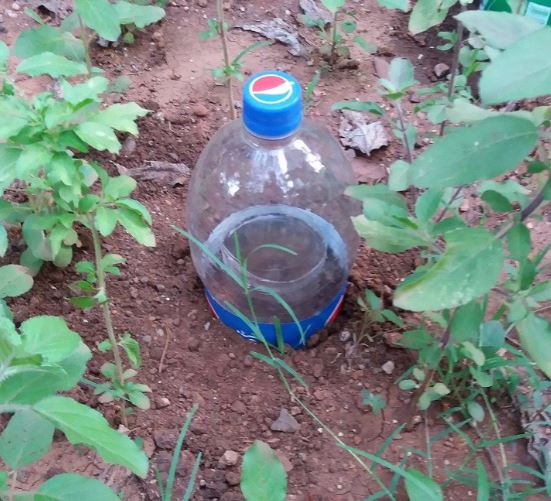
Aiming to conserve water and demonstrate the idea of smart irrigation, we implemented solar drip irrigation in the nursery.. In this activity, we used plastic bottles that were cut in half and kept inverted at various locations on the bed. After the beds were watered, the evaporated water from the beds got trapped in the bottles, got condensed and went into the beds once again. This helped to keep the bed wet for almost 2-3 days after the day of watering hence reducing the need of daily watering and saving water.
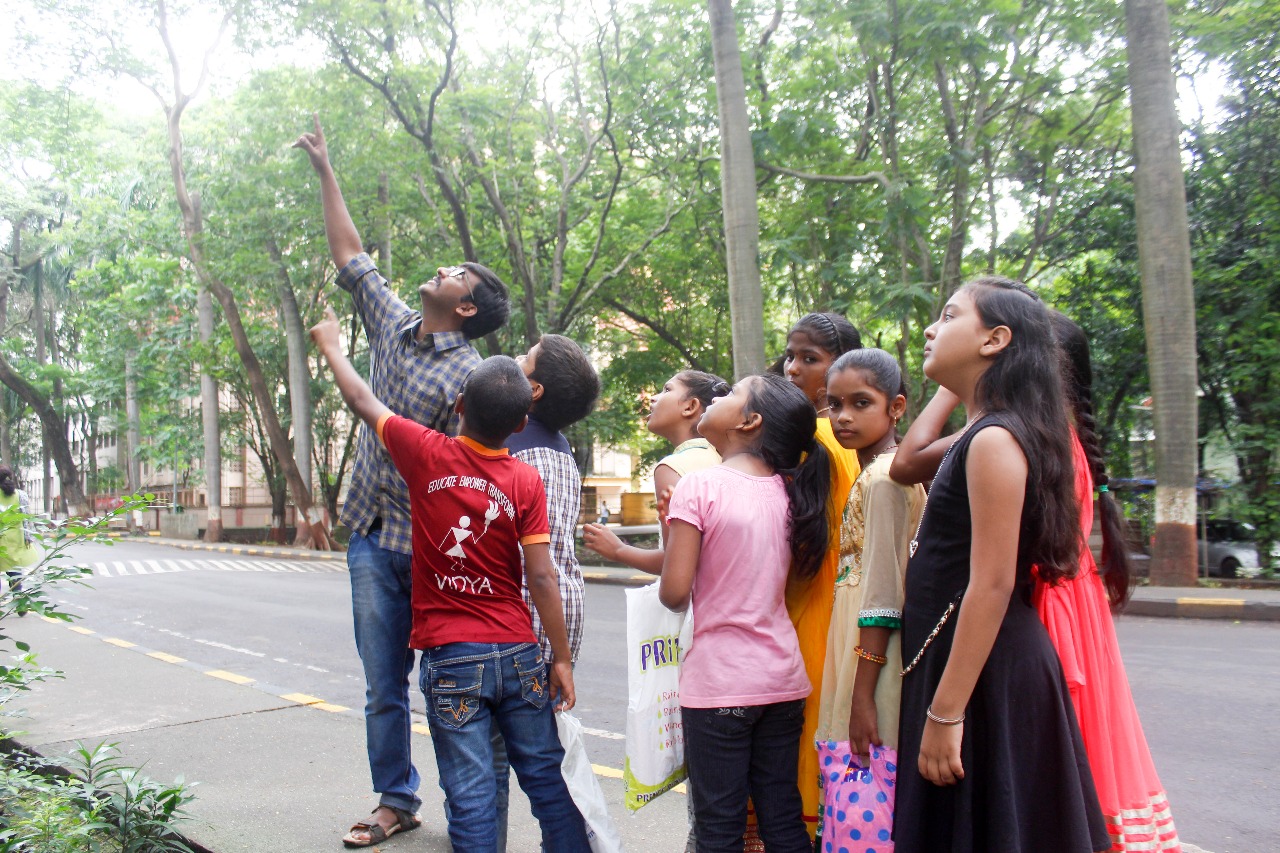
An insti tour with kids from NGO Vidya was conducted with the main focus to make them realise the various environment related things that we study in textbooks.The walk started from the main gate till the main nursery and later along the lakeside road.There were nearly 50 kids studying in class 6, 7, 8 and 9 who were involved. We plan to make this a major activity from next year and carry it out on a much larger scale.
Many residents of the institute are enthusiastic about gardening and maintain pots in their rooms. In case they are not present in the institute for a long time, this initiative gives them an option to safely give their plants a safe shelter during their stay away from the campus in the NSS Nursery. The volunteers at Green Campus water them regularly and take efforts to maintain them. We have officially opened Nursery for visits on Mondays, Wednesdays, and Fridays every week from 5:30-6:00 PM in an academic semester. Apart from this, visitors also have the provision to take saplings to their room, based on the availability in the nursery.
Terms and conditions: https://tinyurl.com/NurseryForAll
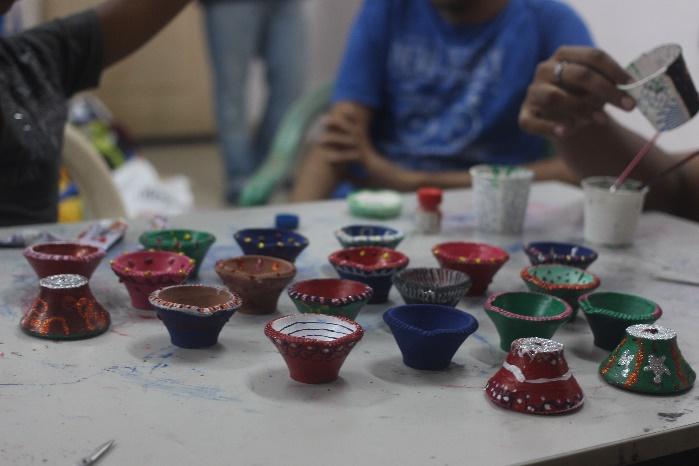
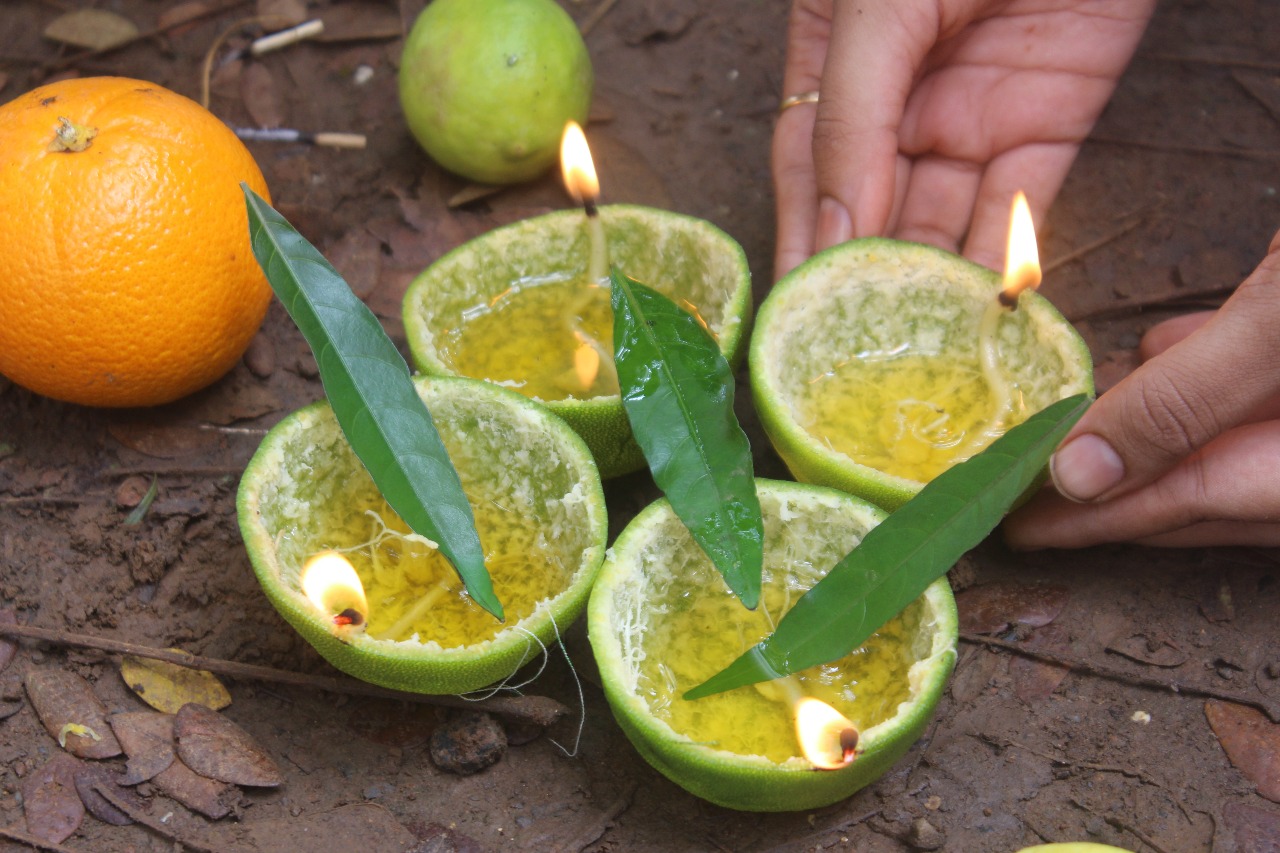
In a first-of-its-kind activity, we made eco-friendly “diyas” using fruit peels.A post was made following this which highlighted the importance of celebrating a pollution free Diwali. Also our volunteers spread the message of celebrating eco-friendly Diwali by writing messages on whiteboard and sharing it on social medias. We plan to involve NGO kids in this activity from next Diwali.
Prakriti is a discussion and knowledge sharing forum aimed to create awareness about nature. The basic aim is to make people more familiar with gardening and other techniques related to it. People may post any problem they face regarding the same on the forum. Apart from queries and discussion, people can share any interesting information regarding nature. Also, all recent happenings in the NSS nursery are regularly posted.
IdeationThere are many residents of the campus who are enthusiastic about gardening and want to try out different techniques and explore the field. But very few know where to start! The need was felt for guidance and a platform for all the people who are enthusiastic about exploring gardening. This need gave rise to the idea of Prakriti-A forum for discussion and knowledge sharing.This year a new category named 'Nature and Festivals' was started under which posts on significance of nature in celebrating various festivals were made.
Prakriti was started as a google group in August 2016. After starting the blog of NSS, the informative posts on Prakriti are also shared on the blog. Some of the notable informative posts in Prakriti involved Largest trees- Redwoods, Resurrection of the plants-a story of how plants survive the harsh summer, Hemp: A sustainable leap or Narcotic, Medicinal plants in NSS Nursery and communication among honey bees. This year we also started a new category named 'Nature and Festivals' under which we discuss the significance of nature in celebrating various festivals. Under this, we have covered 'Holi', 'Makar Sankranti','Diwali' etc. Some people also came up with their queries like cutting of the trees, initiation of a nursery in hostel 13. Till date we have approximately 300 members. We hope to reach out to people who are more proactive so that they can help solve the queries of group members whenever required.
Visit: prakriti_nssiitb@googlegroups.comUnavailability of first year volunteers during summers lead to the idea of involvement of non NSS people as volunteers. Main idea was to extend the reach of NSS to people who are enthusiastic about gardening or want to explore it. 90+ students showed interest in the summer volunteering program and 70+ among them were postgraduate or Ph.D students. These volunteers helped in watering and regular maintenance of the nursery during the harsh summer days. Plantation on the occasion of World Environment Day was carried out by these volunteers.
In this activity, each volunteer had to find out about an interesting topic, that was also found by themselves, related to nature. Then in a group of 12-15 they presented the topic and all of them had a discussion on it. The team members made blog posts considering whatever points were discussed in this meet. These blog posts were released online via WordPress.
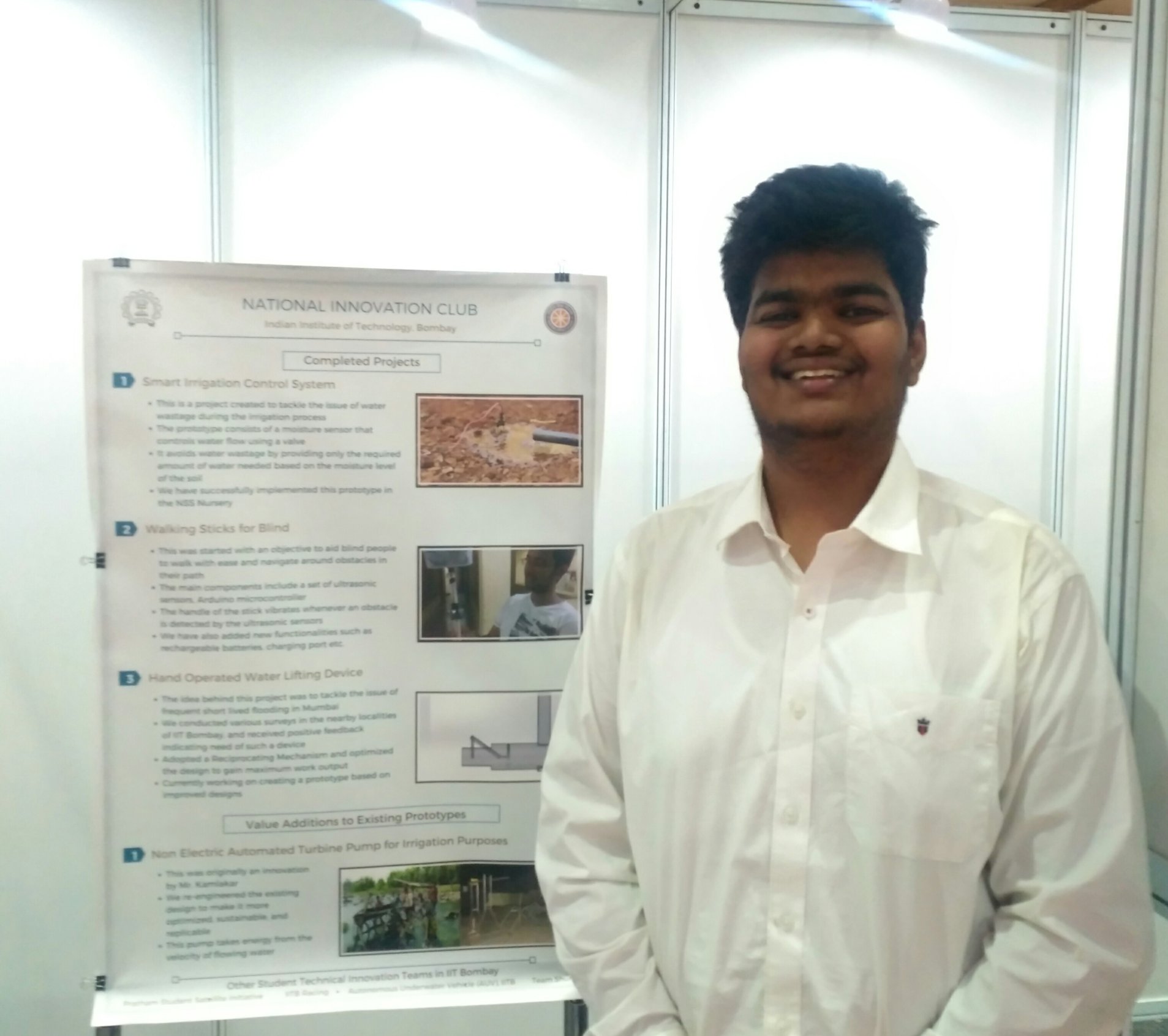
We started with the name TechGSR (Tech Geek Social Responsibility) where we encouraged senior undergraduate and postgraduate students to find and implement technical solutions to social problems. TechGSR formed the precursor to establishing the National Innovation Club, the student body of IIT Bombay which aims to build a sustainable system at IIT Bombay which will promote the students of IIT Bombay to create technology for development of society with a guidance from learned professors, established institutes and citizens of India themselves and to create leaders and entrepreneurs in socio-tech field. We encourage our undergraduate freshmen to work upon these projects. We are running NIC as a department under NSS IIT Bombay
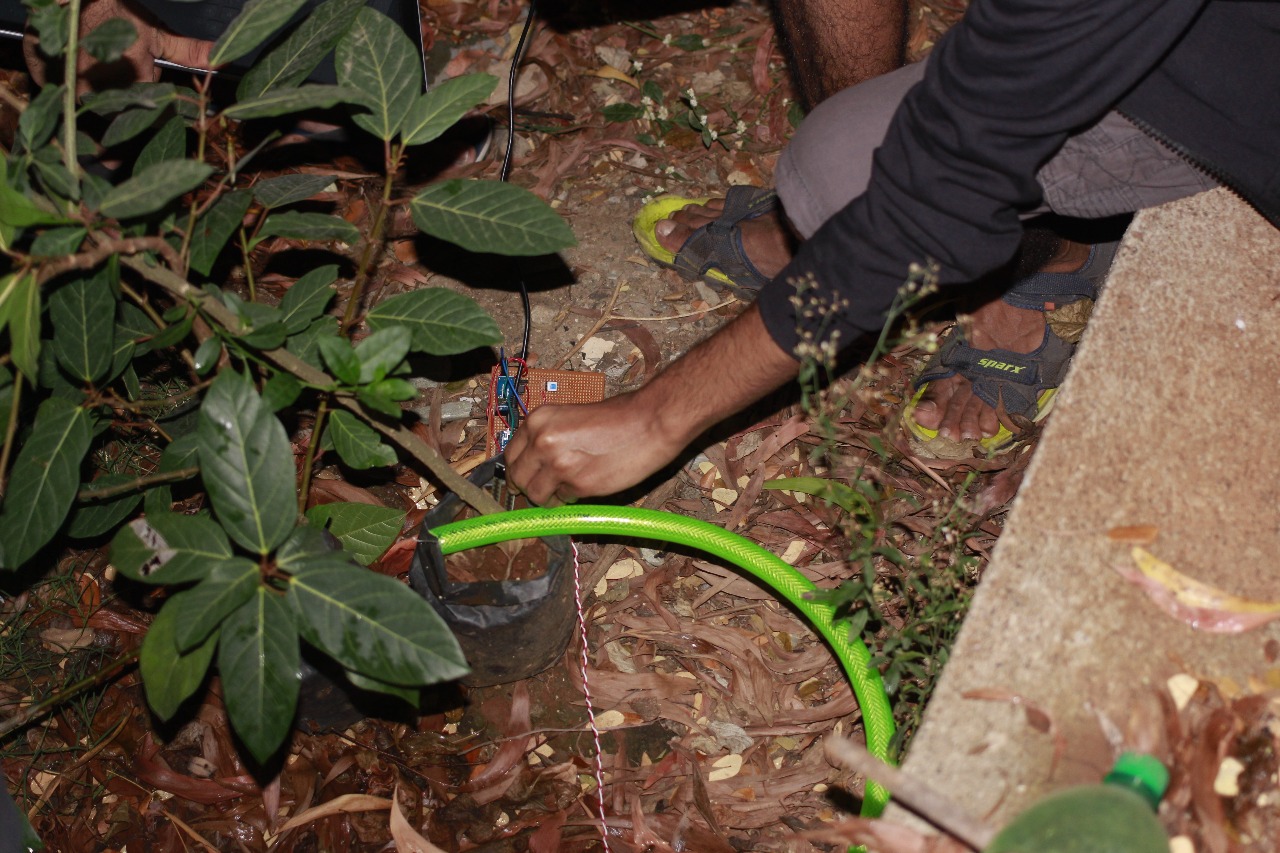
The existing irrigation system is tedious, time consuming and very wasteful in terms of water usage, so we came up with this project which works towards effective irrigation and prevention of water wastage in uncontrolled irrigation promoting water conservation and reducing the environmental impacts.
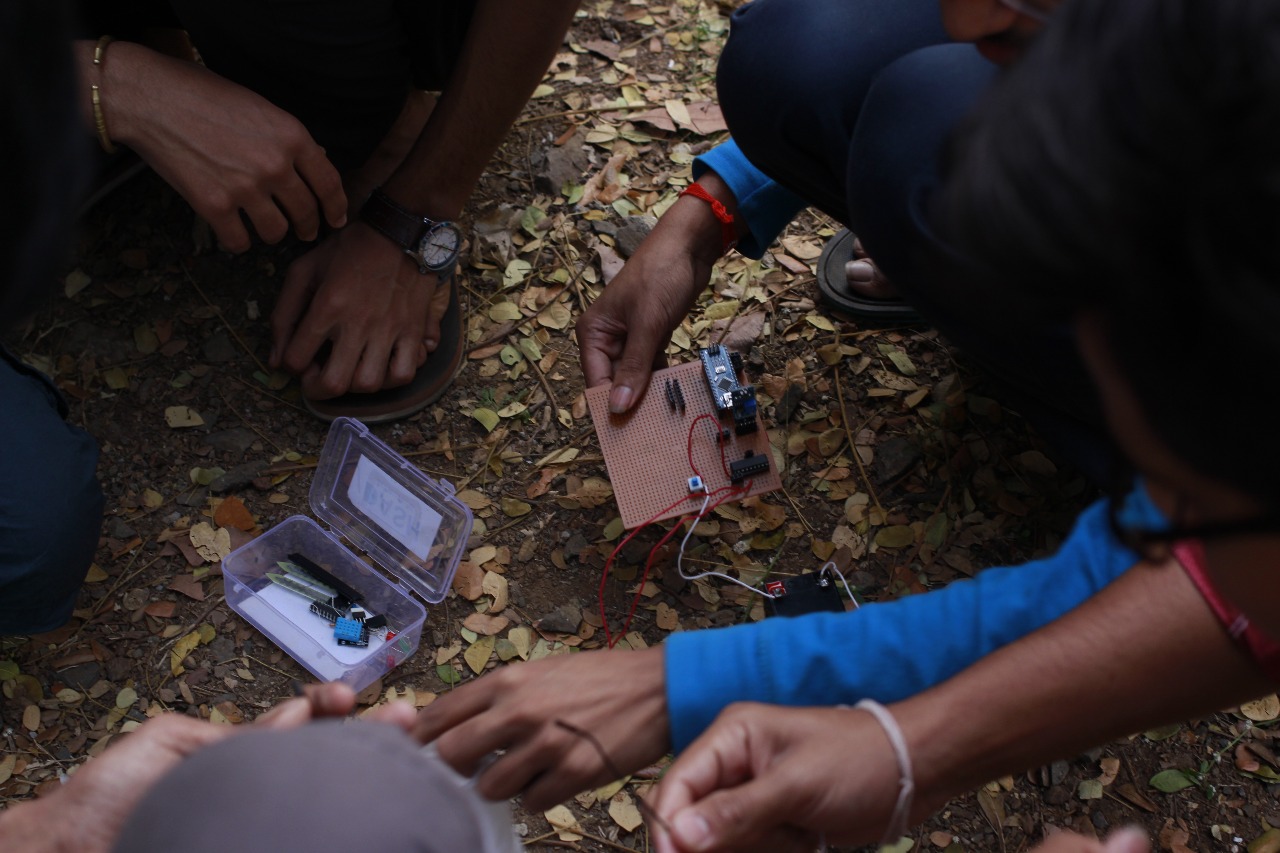
This prototype avoids water wastage by providing only the required amount of water needed based on the moisture level of the soil which is constantly monitored by sensors. The data obtained from the sensors is processed by an Arduino micro controller that signals a valve controlling the water flow. We have also developed an user interface in form of an Android Application that displays the current moisture levels of the soil and enables the user to change the threshold values. The application connects with the Arduino micro controller using a Bluetooth module.
We have implemented our working prototype in NSS nursery to observe the changes with respect to other manually irrigated plants and to have an insight of moisture requirements of plants.Currently, we are probing the possibilities of implementing our prototype in Hostel Gardens of IITB and also working to scale up the use of our device over a larger area with more sensors.
The main objective of the project is to aid blind people to walk with ease and be warned of the presence of obstacles in their path. The main components of the device include an ultrasonic sensor that tracks the distance of obstacles in the vicinity of the user and an Arduino microcontroller that processes the information received from the ultrasonic sensors. We implemented a mechanism that causes the stick to vibrate whenever an obstacle is detected. This allows the user to be aware of the obstruction in the path and also enables them to navigate safely. We have also added new functionalities to the existing model such as rechargeable batteries and a charging port that allows the user to charge the walking stick.
Current status:We have completed the prototype of the Walking Stick for Blind and are now testing.
N Shakthimaithan, an innovator from a town in Thiruvarur district, developed a hand operated water-lifting device device to irrigate fields from canal or pond and drain out excess water from cultivated land, with minimal effort. As residents of Mumbai, we observed that there were frequent short lived floodings due to heavy rains in the city. We took up the idea to transfer the technology used by N Shakthimaithan to the meet the urban needs. To understand the real need and requirements from such a product by an urban area, we conducted a number of surveys in nearby areas. We received positive feedbacks on the idea. On researching various mechanisms, we adopted the Reciprocating Mechanism which was best suited to our needs. We created a CAD model of the pump design and optimized its design to gain maximum work output. We also made the device more cheaper and portable. We are currently working on creating a prototype based on the improved designs.
We were able to come up with the innovative ideas of the existing technical issues which were known through NIF. At the end of the semester all our efforts paid off. The department head of NIC (Akash Padmane) was invited to the Festival of innovation to present our projects. So Akash Padmane took represented NSS IIT Bombay at Festival of Innovation at the Rashtrapati Bhavan
Vikas means progress and development. We focus on identifying existing problems and come up with 'What can I do' level solutions so that everyone can implement them and contribute their bit to the society. This year around we decided to focus on sustainable development. We carried out activities that promote awareness about sustainability and encourage people to adopt a sustainable lifestyle. Through dedicated efforts, we tried to bring some small changes in and around the campus.
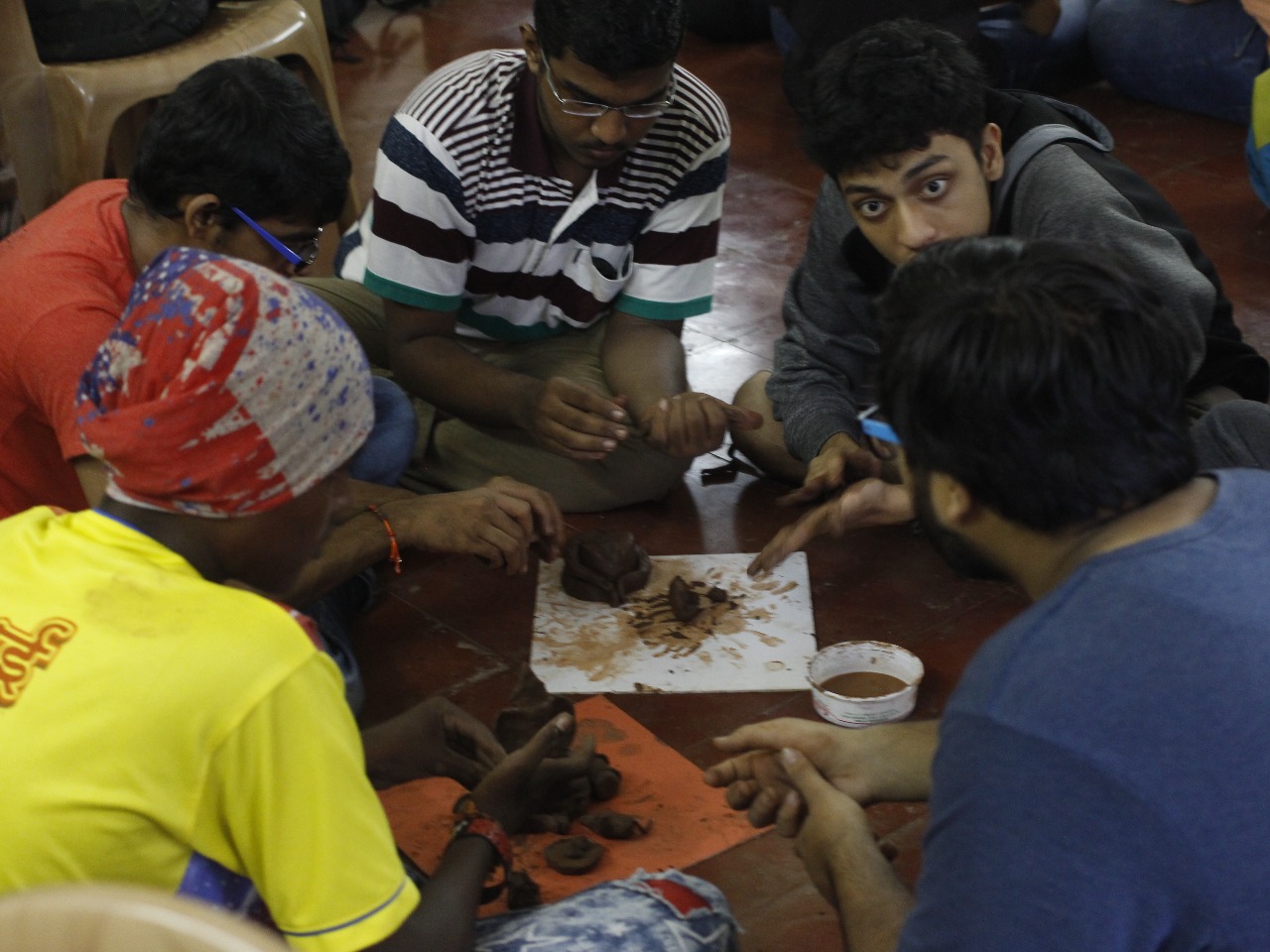
Ganesh Clay idol making is one awareness and change activity that we immediately need to practice. Many NSS and non-NSS volunteers participated in the clay-idol making workshop organized by the staff club of IIT Bombay. Apart from this, 6 hostels enthusiastically celebrated the festival with the eco friendly idols made in he staff club leading to minimum pollution. Some people also decided to travel an extra mile on the eco friendly road and chose to put seeds inside the idols which where then immersed in a pot rather than water bodies and grown into beautiful plants. The idols made by NSS volunteers were distributed among the PHO workers assisting them to celebrate festival in an economical as well as eco-friendly way.
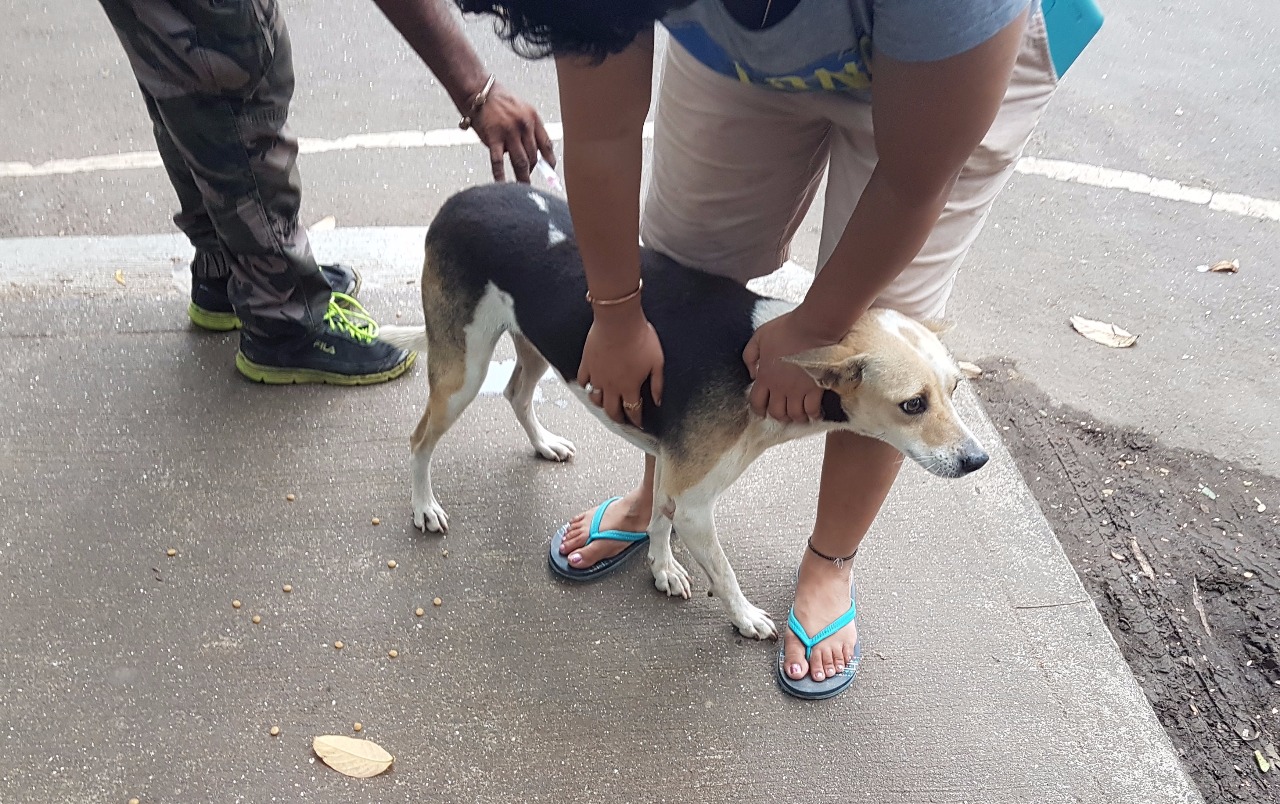
The Animal Rescue Group of IIT Bombay, consisting of professors, students and campus residents, led by Prof. Madhu Belur and Prof. Prita Pant, organized the annual animal vaccination drive in the institute. The vaccinations were carried out by members of The Welfare of Stray Dogs organization. NSS IITB volunteers helped in the vaccination process and also maintained the database of the vaccinated dogs. Around 85 dogs were vaccinated. We were delighted to see that many people came forward to help when the vaccinations were being conducted in their hostels, or near their residential areas.
The volunteers made posters on reducing food wastage which were put on in many hostel messes. Apart from this, we also conducted a survey spanning all the messes to find out the amount of wastage of raw and cooked food, the leftovers and the variation in the same with the menu that day.
A large number of flex banners are used in the institute throughout the year. We innovatively came up with some ideas of reusing these waste flexes. These were collected by our volunteers and were made into sapling covers and flex carry bags. Flex bags were distributed in the campus shops whereas the sapling covers rest in peace in the NSS nursery caressing tender saplings. Apart from these, we also made stationary pouches to be used by kids.
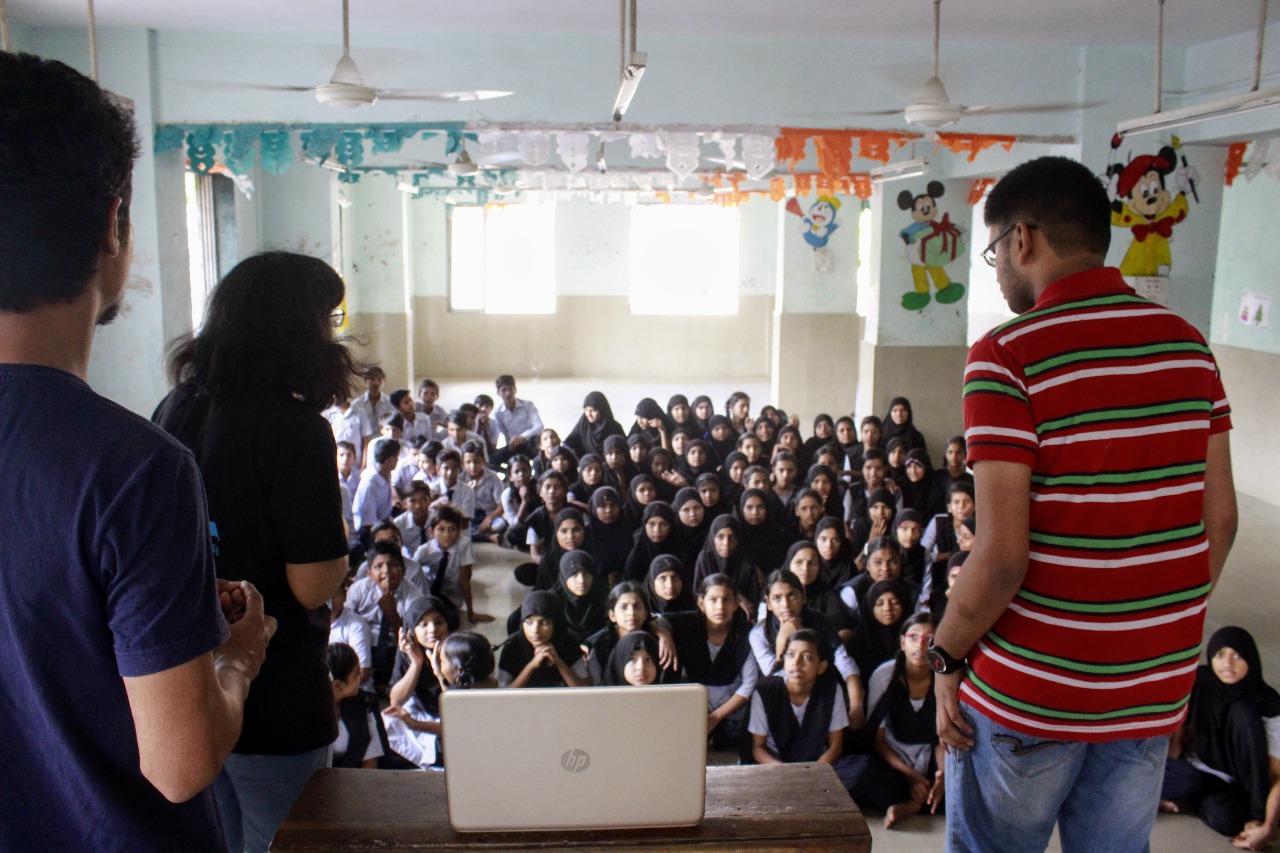
Under Tarang - the sustainability initiative, a new chapter has been started by NSS IIT- Bombay in the form of BMC school visits. The vision behind this initiative to promote Sustainability among young minds and to inculcate the very idea at the grassroot level.We conduct sessions in schools for students of class 7th to 10th which focus on instilling the importance of saving resources, reusing, recycling and incorporating sustainable practices in day-to-day lives. As of now we have visited 8 schools and presented two different modules to help the cause.
The idea behind this activity was to bring out two important quantitative measures of the extent to which our day-to-day activities affect the environment. It started with a talk given by Prof. Yogendra Shastri, Chemical Engineering department who guided the volunteers about the approach to take for the calculation of the two footprints.
Volunteers made charts which were put up in the messes of hostel 15 and 16 to assist freshmen in calculating their own footprints with ease. Apart from this, the volunteers also calculated carbon and water footprints making comparison among different hostels, department buildings and eateries in the campus.
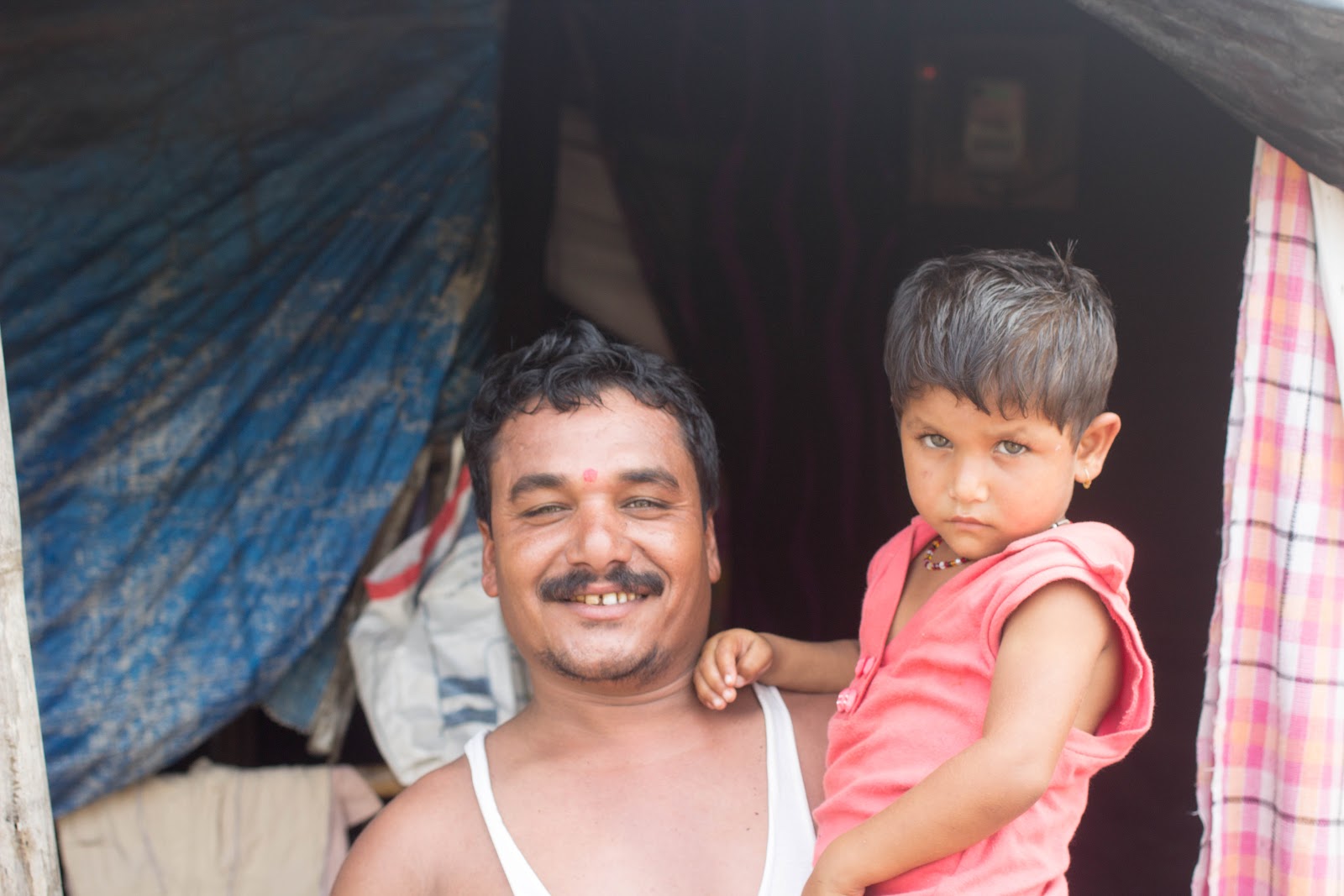
We visited the phule nagar slum to enquire closely into the world of people who reside there. We figured out significant information related to their family strength and composition, the societal problems they might be facing, schooling of kids, water and electricity pains prevalent in homes, method of waste disposal and the common diseases prevalent there. We found that the residents there were enthusiastic to interact with us and willingly gave us all the information we asked for. A conclusion drawn from the visit was that there was no proper waste disposal there which had become a root cause of many diseases.